
Travertine: types, colors and uses
Warm beiges with the pores showing and a rust-toned red. It is a stone for floors and walls, indoors and out. We ship it to any country.
- 15travertines with photos
- 14from Italy
- 6colors
15 travertines
Gray Travertine
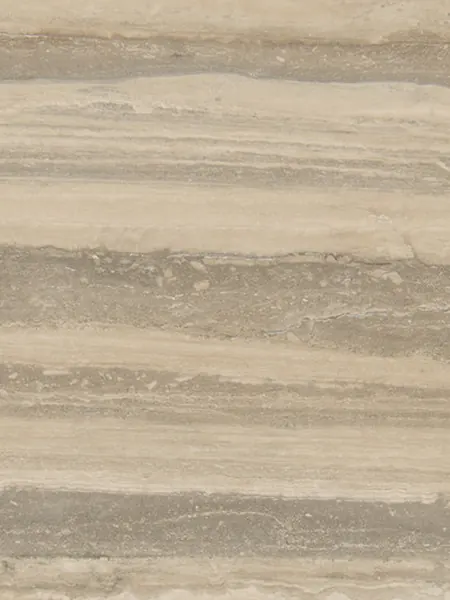
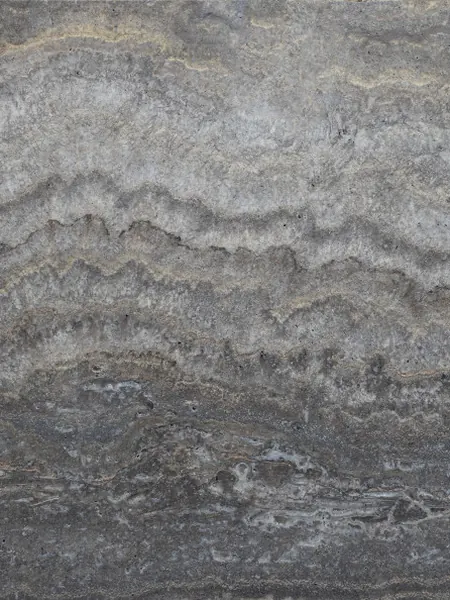
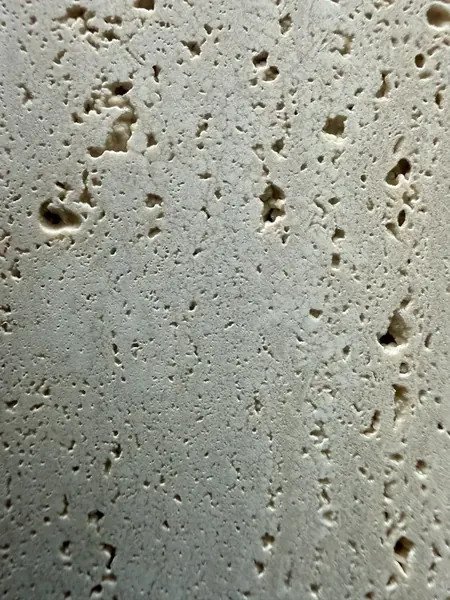
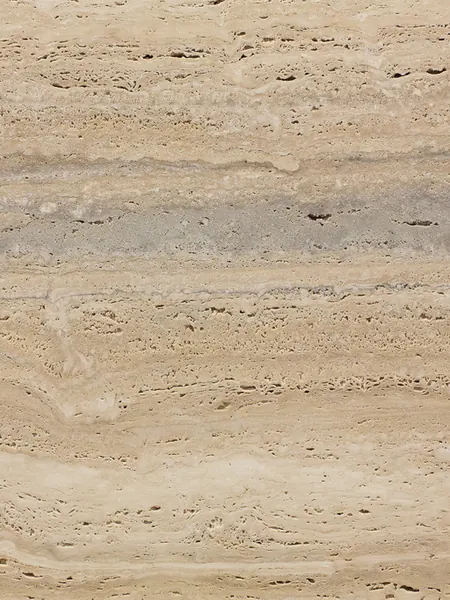
Gray and beige horizontal bands, thin or wide, running along the slab.
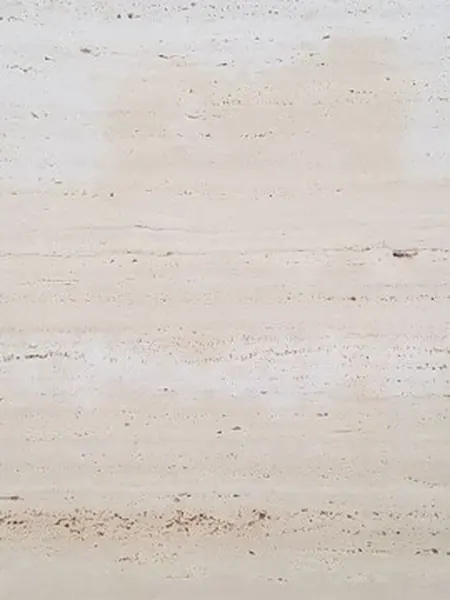
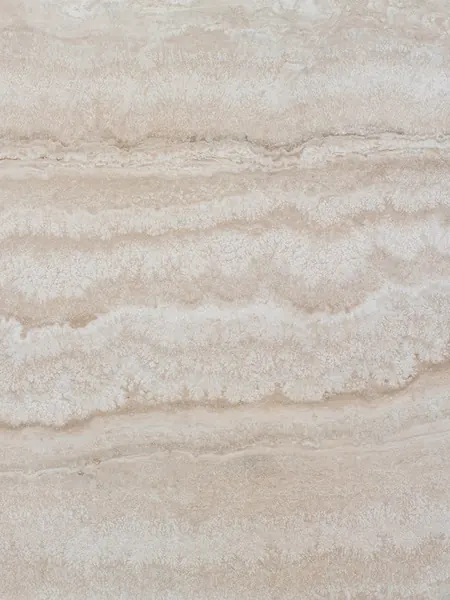
Beige Travertine
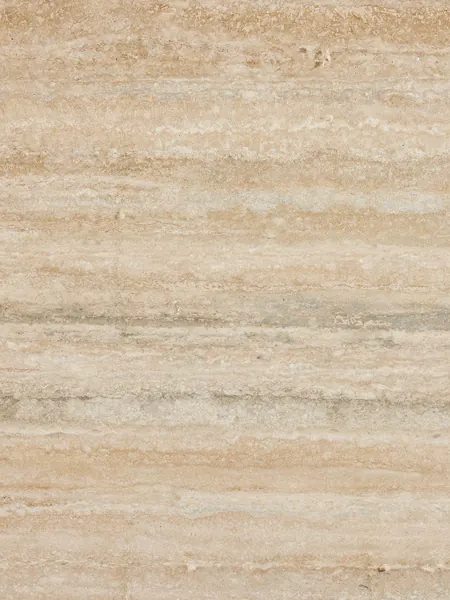
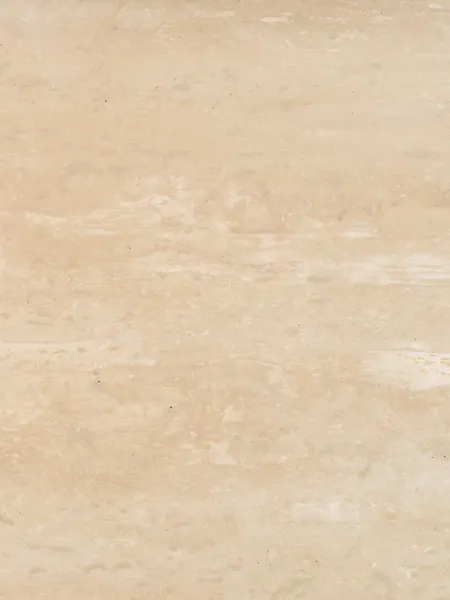
Warm beige with the natural pore showing, from the lightest shade to walnut. It is the classic choice for floors, facades and bathrooms.
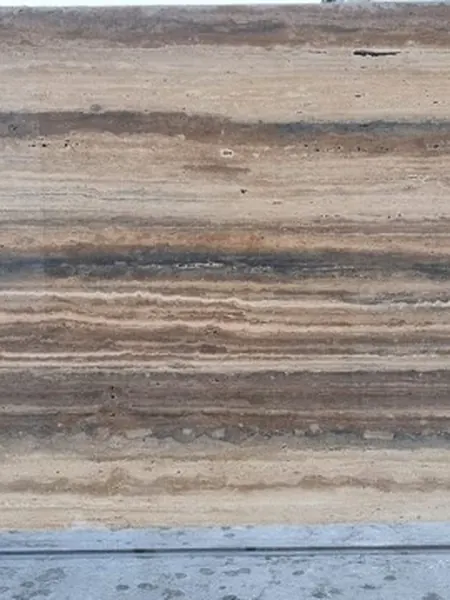
Brown Travertine
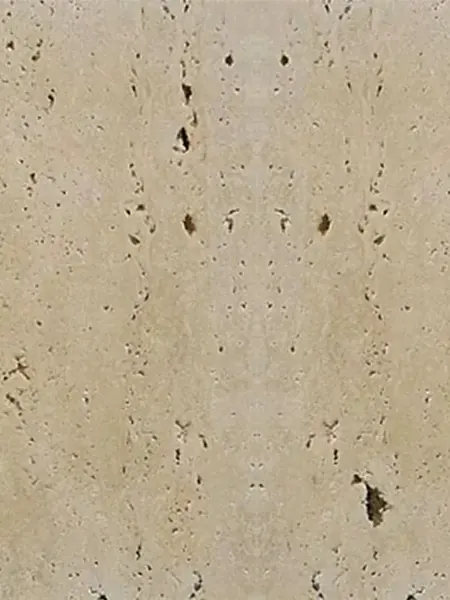
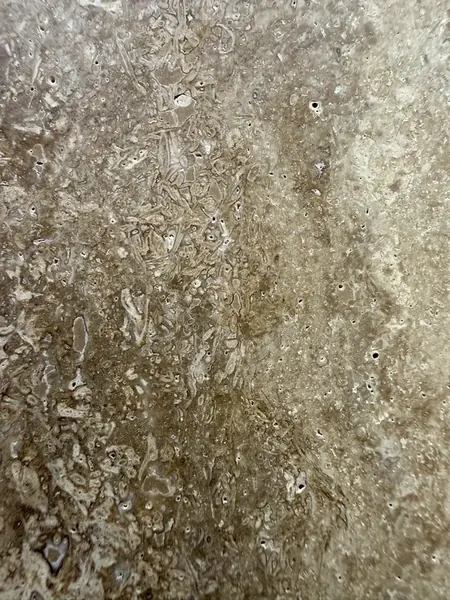
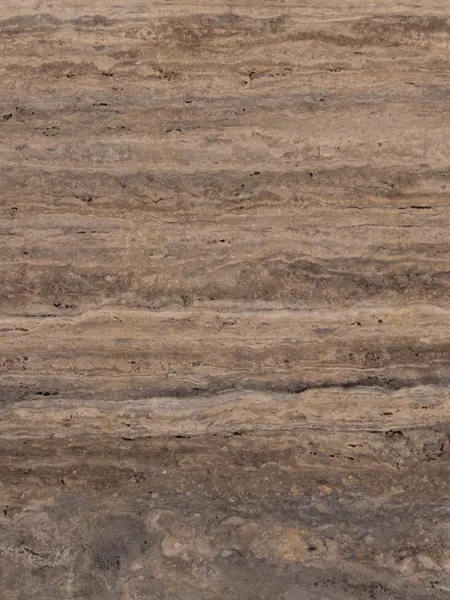
Browns with light horizontal banding or irregular patches. The pores stay visible.
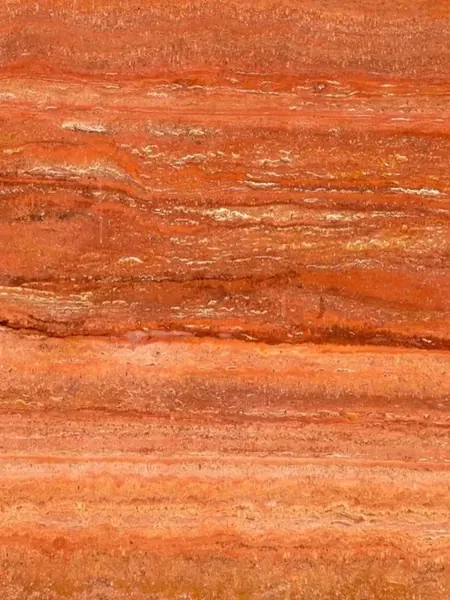
red travertine
Warm red with rust tones. It is the least common travertine in the catalog and the one that gives a wall the most character.
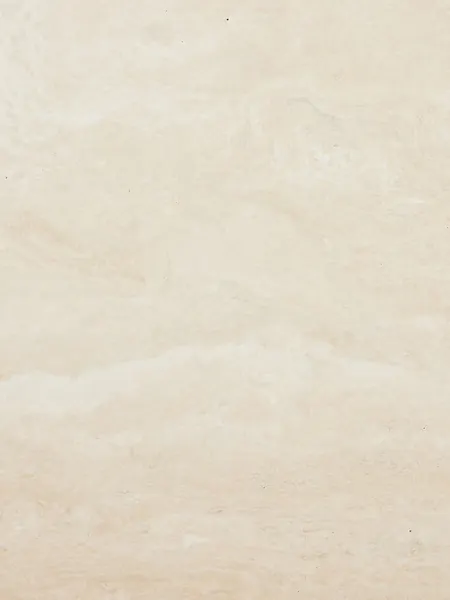
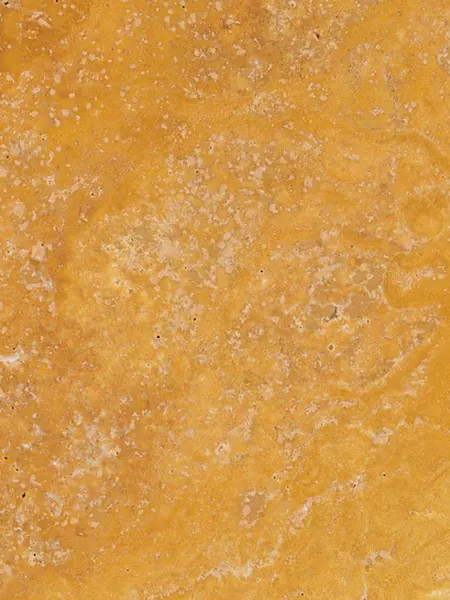
White and Yellow Travertine
A very even ivory cream and a golden ochre with small pores. The two softest travertine tones.
No travertines match those filters in the catalog. We can still source it for you.
Is travertine a type of marble?
No. Many people call it travertine marble, but it is a limestone, a relative of marble, with an open natural pore. It shares marble's light tones and soft veining. Its fame comes from the Colosseum, built of travertine.
- Filled Travertine
The pore is filled with a paste of the same tone and the surface comes out smooth. It is the one that gets polished and the one that goes on interior floors, bathrooms and tables.
- Unfilled Travertine
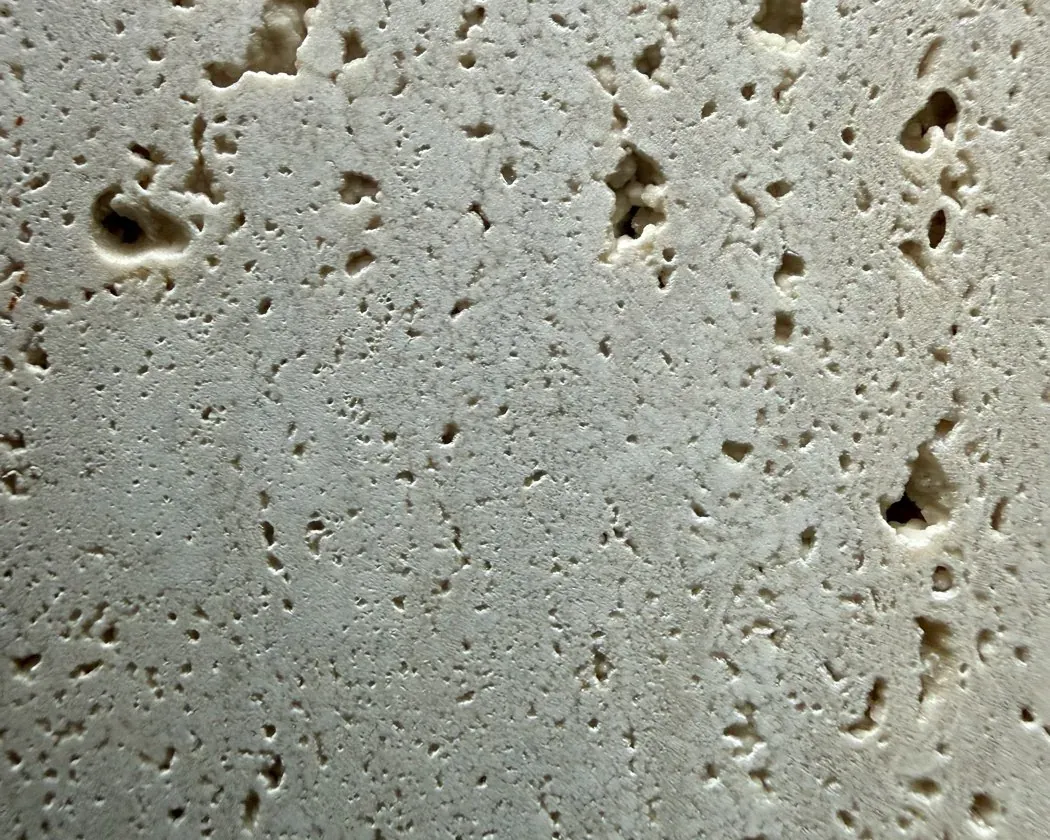
The pore stays open and the stone's natural texture shows. It is the usual choice for facades, textured walls and outdoor use.
Where does travertine work?
- WallsOn large slabs, the pore creates the texture
- Interior floorsA classic for tile; with a matte finish it slips less
- OutdoorsIt handles the weather; antiqued is the typical finish
- BathroomsWalls and vanities; the sealer does the work
- TablesDining or coffee tables; with coasters
- KitchenLemon and oil stain the pore
How it holds up
- ScratchesLow
- StainsMedium, with sealer
- AcidsLow
How to care for it
- Water and neutral soap; the pore holds dirt
- Vinegar, lemon and chlorine attack the surface
- Keep the sealer fresh: that is what holds back stains
Want the same warm tone in the kitchen? Beige and golden granites deliver it and hold up much longer.
Travertine finishes
In filled travertine the pore is closed and the surface is smooth; unfilled, the pore stays open. The finish changes the sheen and the feel.
-
Polished
Mirror polish
It brings out the base color and leaves the filled slab smooth. It is the finish on Roman travertine.
WallsBathrooms -
Lappato
Soft shine
A honed finish that hides everyday wear. It works well on high-traffic floors.
FloorsBathrooms -
Antiqued
Matte and rustic
Softened edges and the look of an old floor. The least slippery finish and the usual one outdoors.
FloorsOutdoors
Where the travertines come from
Most of the travertines in the catalog come from Italy, Iran and Turkey. For every one of them, slab quality weighs more than the country.
Where the 15 come from
- 14 Italy
- 1 Iran
- 1 Turkey
Questions about travertine
Does travertine work for floors?
It is one of travertine's classic uses, indoors and out. Inside, tile with a matte finish slips less and stands up to daily traffic. On the floors page we explain which pieces are made from it.
How much does travertine cost per square meter?
It depends on the type, the size of the piece, the finish and shipping to your country. We do not publish price lists: every order is quoted from the real measurements. Send them by WhatsApp and we will return the full quote. The price guide explains what moves the cost.
Does travertine work outdoors?
Yes. It is used on floors, walls and pool coping, because it stands up to sun and rain. Outdoors, the antiqued finish is the one to choose: it is less slippery.