
Marble and granite stairs made to the measure of each step
Every tread and riser is cut to the measurements of your staircase and arrives numbered, to be set in place in order. We ship to any country and, when the project calls for it, we also arrange installation.
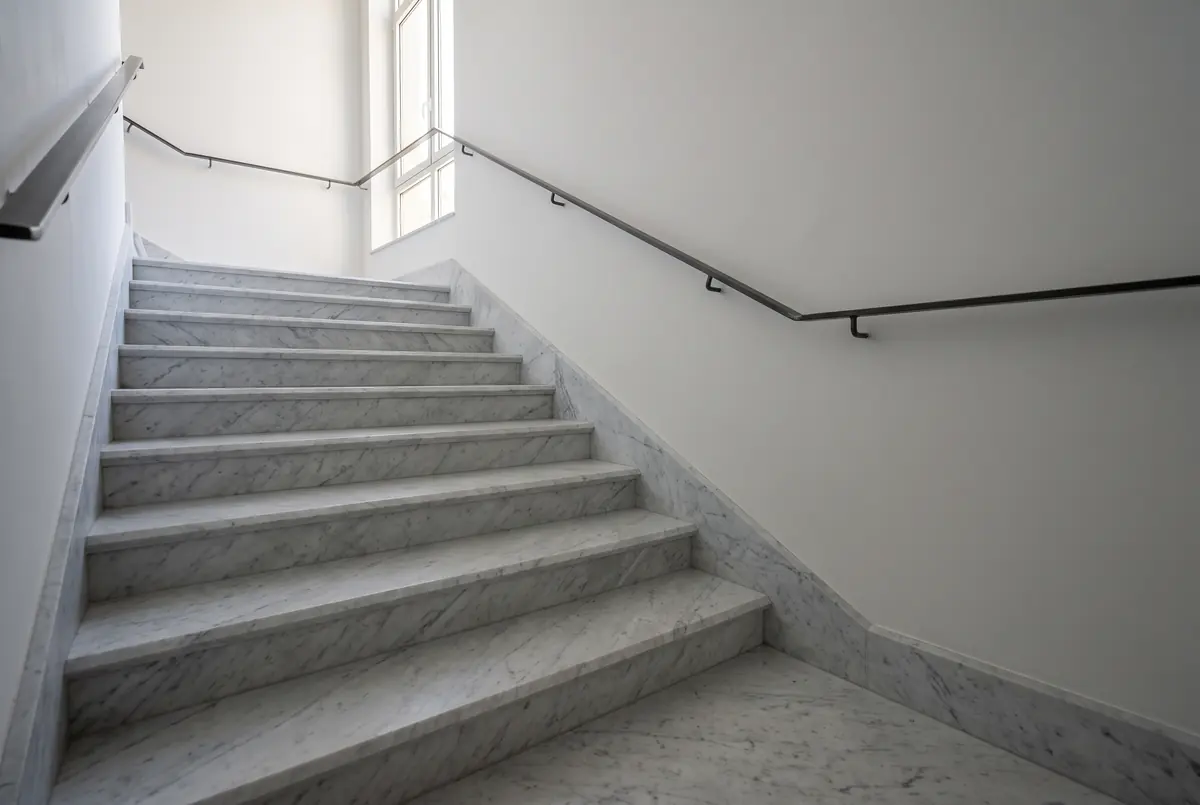
- Tread 3 cmriser 2 cm, the most common
- Each step made to measurein Panama we take them for you
- A single lotthe tone does not change from one flight to the next
A marble, granite or travertine staircase, depending on where it is
A staircase is stepped on in the same spots every time, and the front of each tread is the first thing to wear. Whether it sits indoors or out matters more than the style of the house.
-

Marble
- Holds up
- A home's indoor staircase for decades, with the veining carrying from one step to the next.
- Keep in mind
- Polished slips, even more in socks. In lappato it grips better and the wear marks show less.
-
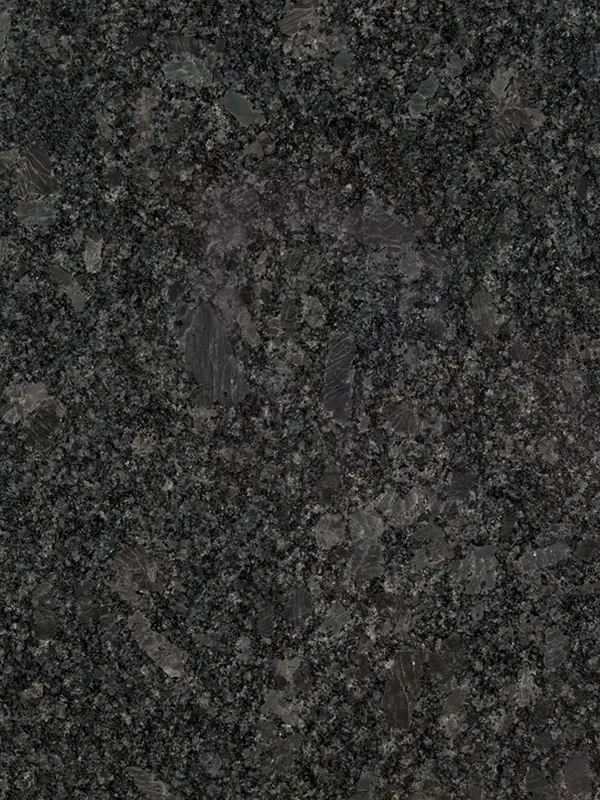
Granite
- Holds up
- The traffic of a building and entrance staircases: it is hard, barely absorbs anything, and neither sun nor rain affects it.
- Keep in mind
- For outdoors it is ordered flamed or antiqued. Polished shines indoors but slips in the rain.
-
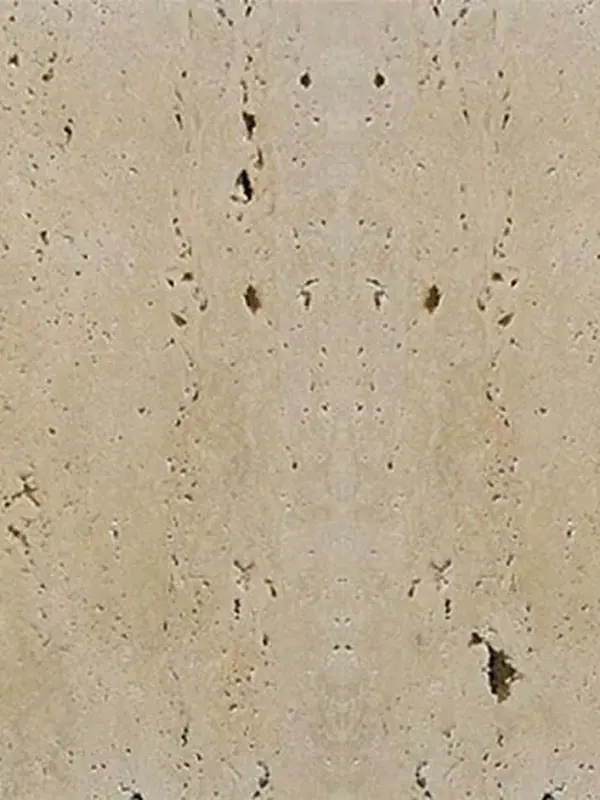
Travertine
- Holds up
- Garden and pool steps in an aged finish, with a texture that grips even when wet.
- Keep in mind
- Unfilled, its pores collect dirt; for an indoor staircase, order it filled, which leaves the surface smooth.
We compare the two most requested in detail in Marble or granite?
Marble and granite stairs, piece by piece
Each step is built from separate pieces, and each piece carries its own thickness. This is how they look from the side.
- TreadThe part you step on. The most common thickness is 3 cm, with the vein running in the same direction on every step.
- RiserThe vertical front of each step. Since it is not walked on, it is usually 2 cm; if it comes from the same slab as the tread, the vein continues from one to the other.
- Nosing or edgeThe front edge of the tread, overhanging the riser by 2 or 3 cm. It can be square, beveled or bullnosed, with anti-slip grooves if you want more grip.
- BaseboardIt runs alongside the stairs against the wall, stepped or as a single angled piece. It protects the wall from knocks and from cleaning.
- LandingThe platform between flights, in large slabs cut to size. Its joints line up with those of the steps.
The riser has other names in Latin America: the peralte in Mexico and the alzada in Argentina. A tread and a riser together make one step. In Central America, the steps are also called gradas.
What a granite staircase looks like
Next to the granite, a beige marble staircase. Renderings created from real photos of each stone.
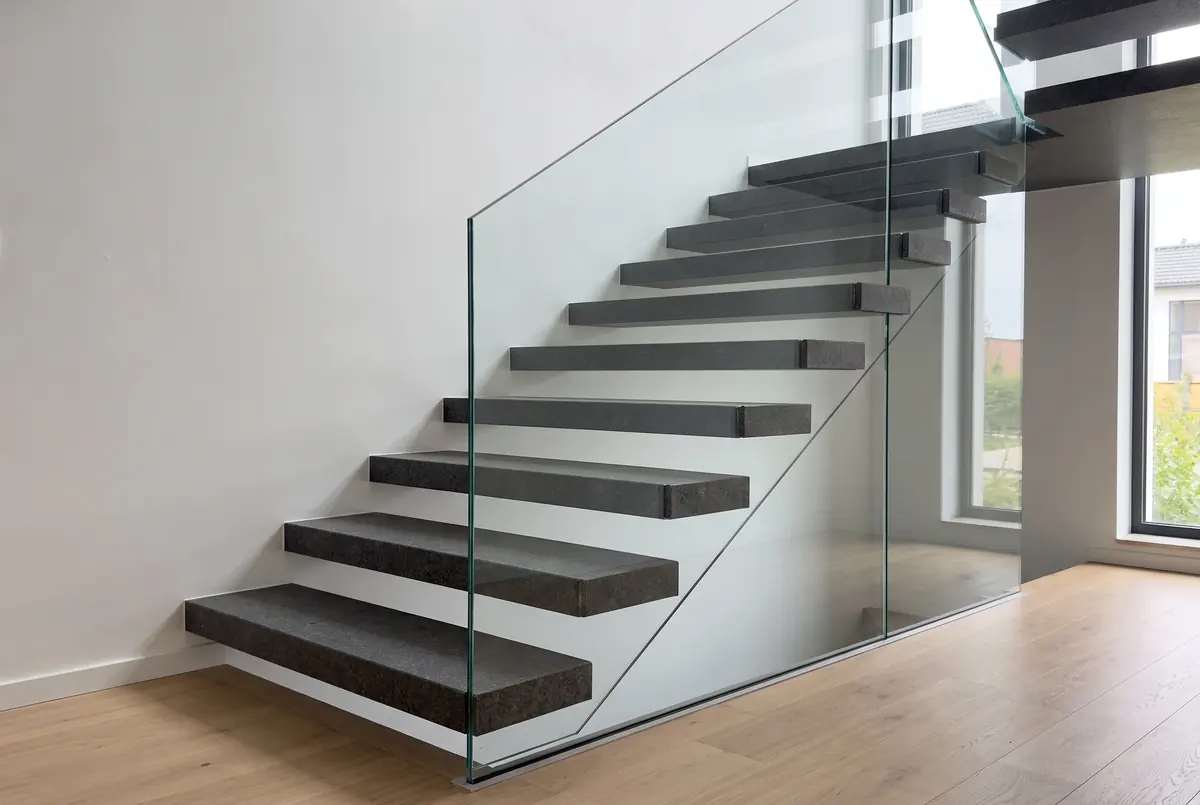
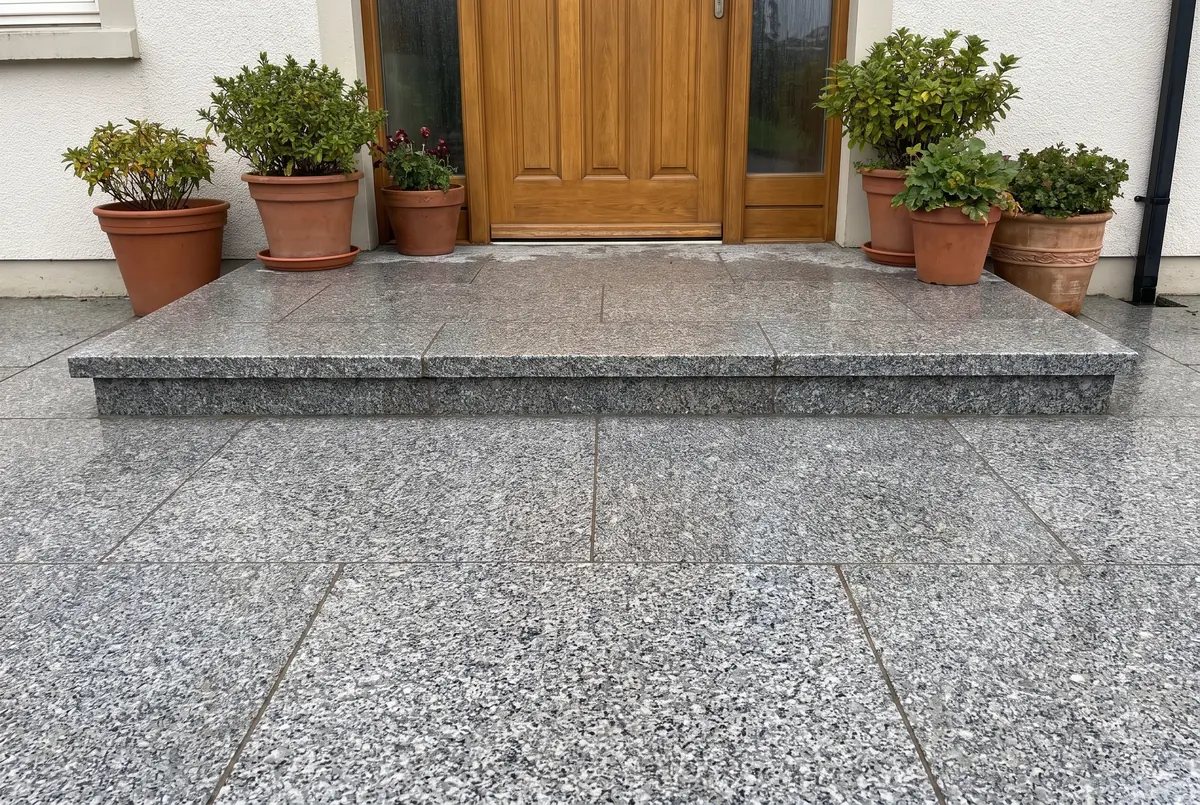
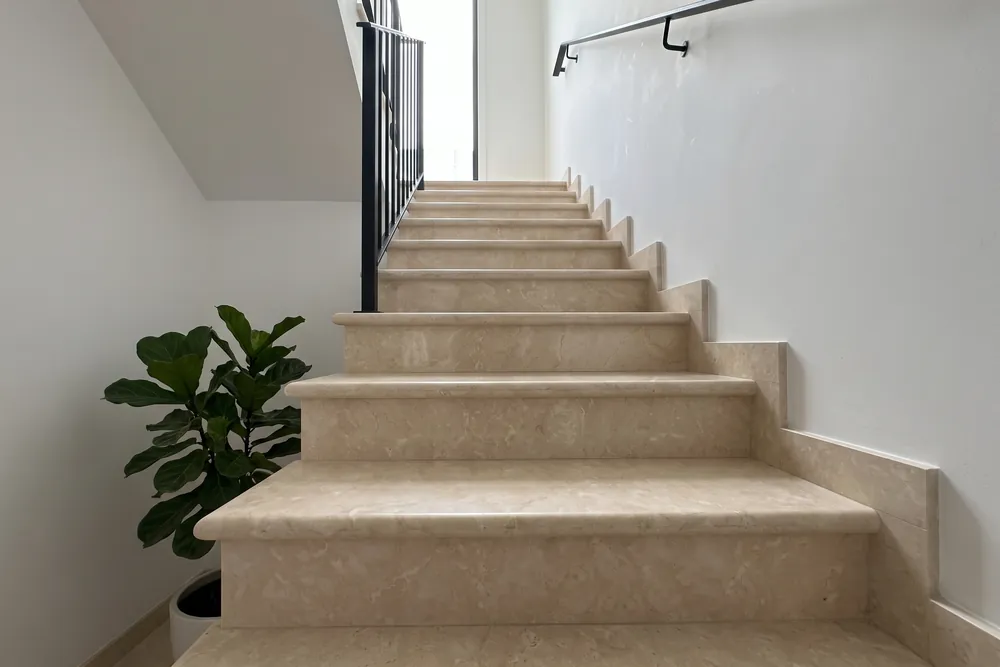
Natural stone stairs for outdoors
Indoors, a lappato marble works very well on a home staircase. Outdoors, rain and dust make any polished or lappato stone slippery. For entry, garden or pool steps, flamed or aged granite is the right choice. Aged travertine also grips well. For extra safety, the nosing of each tread can carry anti-slip grooves.
How much a marble staircase costs
It is quoted by the piece more than by the meter: each tread, each riser, the landing and the runs of baseboard. The edge and the grooves add work on every step.
- Stone and selection
- Steps and landings
- Thickness and edge
- Finish and grooves
- Destination
Every factor explained in How much does marble cost?
Stones for a white marble or granite staircase
Two marbles for indoors, one granite that works inside and out, and a travertine for the garden.
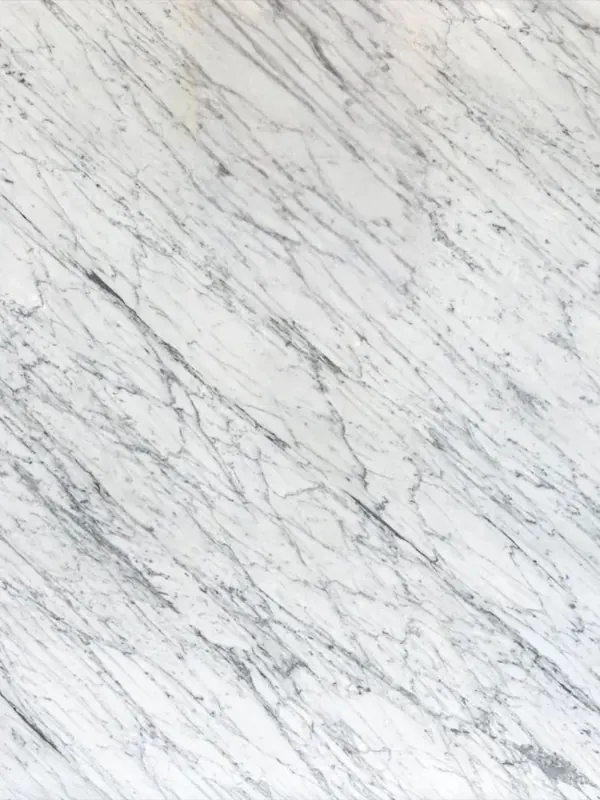
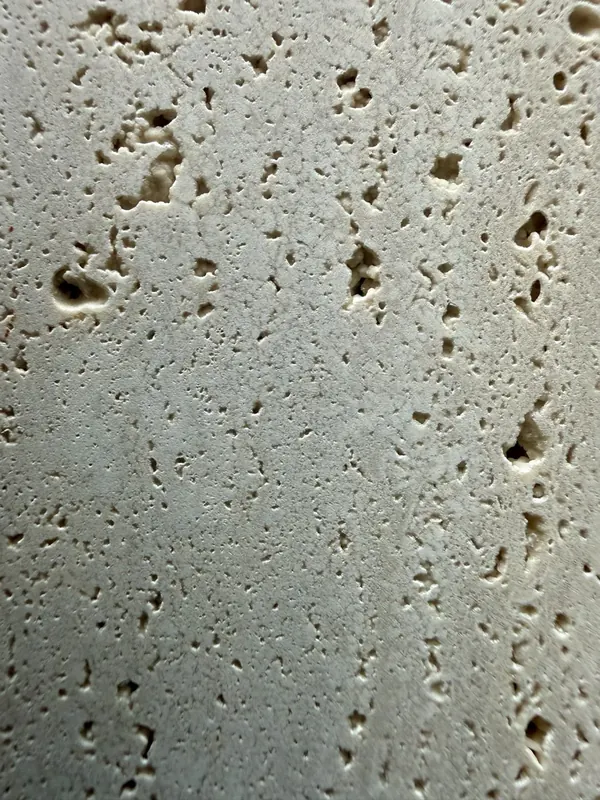
Questions about marble and granite stairs
The same stone can continue on the floor and in the baseboards and thresholds. Also see how the stone reaches your country.
How thick are the treads and risers?
The most common is a 3-cm tread with a 2-cm riser. The tread takes the weight and the wear; nobody steps on the riser, so it can be thinner.
Is a marble staircase slippery?
Polished, yes, above all in socks or with wet feet. Indoors, a lappato finish grips better and hides the wear marks. For more grip, the nosing of each tread can carry anti-slip grooves.
What stone is best for an outdoor staircase?
Flamed or antiqued granite, which takes sun and rain and keeps its grip even when wet. Antiqued travertine also works on garden and pool stairs.
How do you take the measurements of each step?
On the built staircase itself, because one step can differ by a few millimeters from the next. In Panama we take them ourselves; in other countries we work from your construction crew's measurements and every piece arrives numbered.