
Marble or granite?
Choose marble for its pattern and accept that it will gain patina; choose granite when standing up to daily use comes first. The specific slab and the finish matter as much as the family.
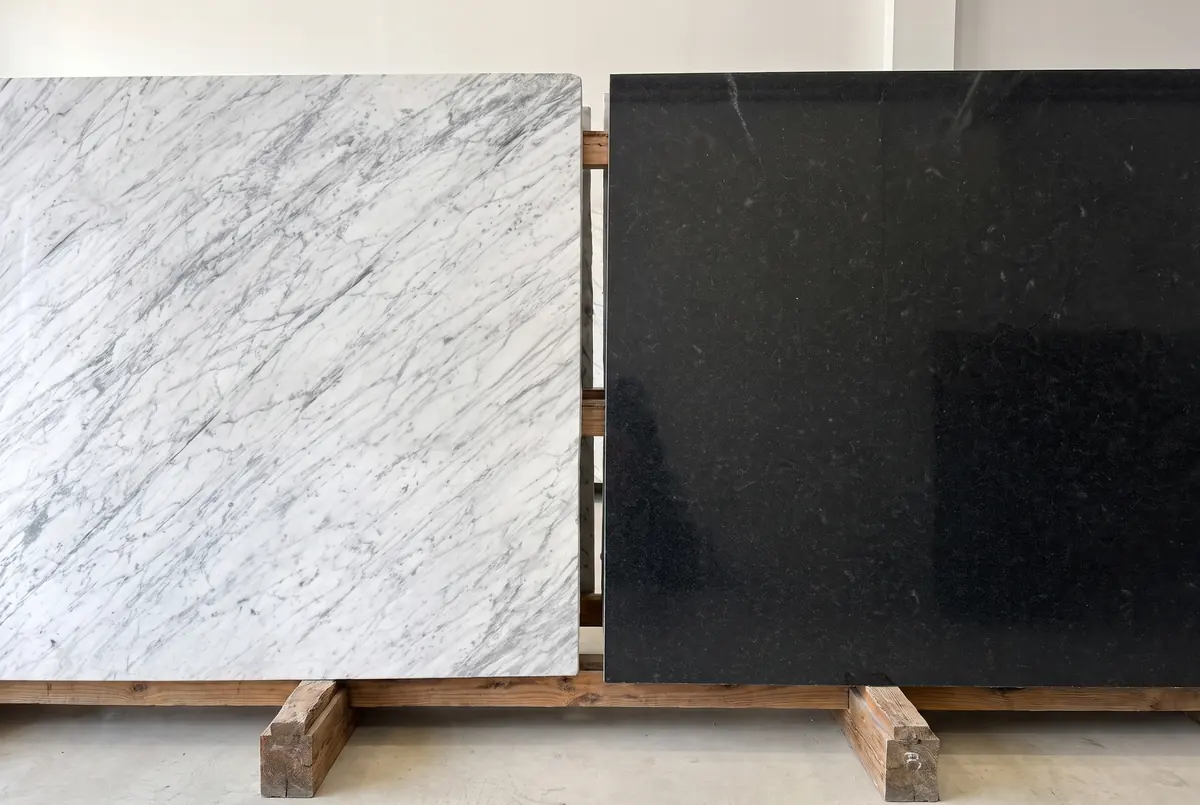
Differences between marble and granite
The general differences between the two families. Before you buy, we review the actual slab with you.
Many black "granites", such as Star Galaxy or Titanium Black, are actually gabbros or other similar dark rocks. They are sold as granite because they behave like one: they are hard and hold up well in a kitchen.
| Formation | Marble: a metamorphic rock rich in calcite or dolomite. Granite: an igneous rock formed by minerals such as quartz and feldspar. |
|---|---|
| Pattern | Marble: flowing veins and more continuous backgrounds. Granite: visible mineral grain and a speckled pattern or broad movement. |
| Scratches | Marble: softer. Granite: generally more scratch resistant. |
| Acids | Marble: lemon and vinegar can leave dull etch marks. Granite: usually tolerates them better, but clean spills promptly. |
| Maintenance | Both may need sealing depending on their porosity, finish and use. A sealer helps against stains, but it does not stop acid etching on marble. |
| Variation | In both cases every slab is unique; you choose by looking at the actual slabs, not just a small sample. |
Which to choose for each use
The short answer for each space. If in doubt, send us the use and we will tell you what works.
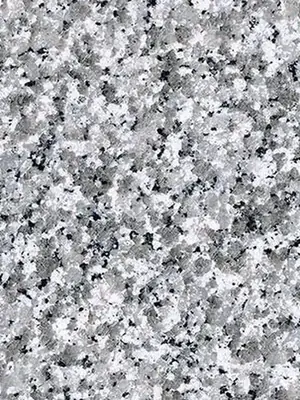 KitchenGraniteThe practical choice for heavy use. Marble works if you accept marks and patina; quartzite gives you both.
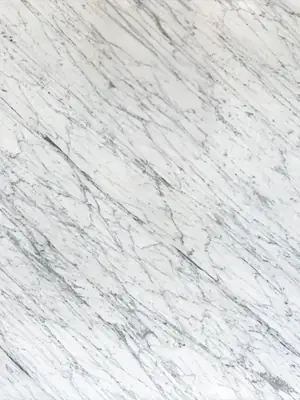
 BathroomBothChoose by looks. In showers and wet floors, a lappato or brushed finish works better than polished.

 FloorsBothMarble for interiors with normal traffic; granite for entrances, commercial spaces and outdoors.
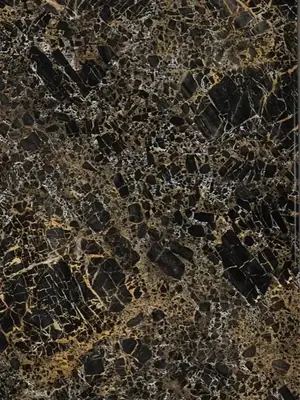 TablesBothMarble for a statement vein; granite if the table gets heavy daily use.
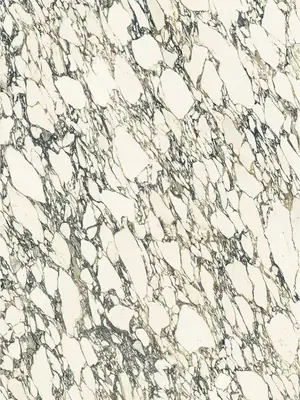 WallsMarbleWith no direct wear, it allows wide veins and continuous compositions.
- OutdoorsGraniteFlamed or antiqued, it withstands sun, rain and frost better than marble.
And quartzite?
Quartzite has the look of light marble and a hardness equal to or greater than granite: it does not scratch easily and lemon does not dull it. Before you buy we confirm that the slab is genuine quartzite, because some stones sold as quartzite are dolomitic marbles and they do etch with acids.


Decide with four questions
There is no single answer for a countertop, a floor and a wall.
- 1What will it be used for?Contact with food, water, traffic, sun or temperature changes.
- 2What look do you want?A continuous vein, a dramatic pattern, an even background or visible grain.
- 3Will you accept patina?Marble changes with use; for some people that is part of its beauty.
- 4Which finish is right?The shine and the feel change how the stone looks, how it cleans and how slippery it is.
What costs more: marble or granite?
You cannot answer it by family alone. A variety that is available and easy to work with can cost less than a scarce one, even if both are marble or both are granite.
- Variety
- Grade
- Format
- Cuts
- Destination
Before you confirm
- Look at photos or video of the actual slabs
- Confirm the finish and the intended use
- Compare the full scope, not just the m²
- Check the documents available for that product
Questions about marble and granite
Which is better, marble or granite?
Neither is better for everything. Marble offers veins and tones that are hard to repeat, but acids can dull it. Granite resists scratches and heavy use better. The choice depends on the place, the maintenance and the look you want.
What works best in a kitchen?
For a heavy-use kitchen, granite or quartzite works best: they resist scratches and acids better. Marble also works if you accept its patina and wipe up spills quickly.
Which one stains less?
It depends more on the slab's porosity, the finish and the sealing than on the family. That is why we tell you how the specific stone behaves before you buy.
Which one costs more?
You cannot decide by family alone. Marbles and granites come at very different prices. The variety, the grade, the format, the cuts, the finish and the destination weigh more than the marble or granite label.