
Roman travertine
Travertine · Italy
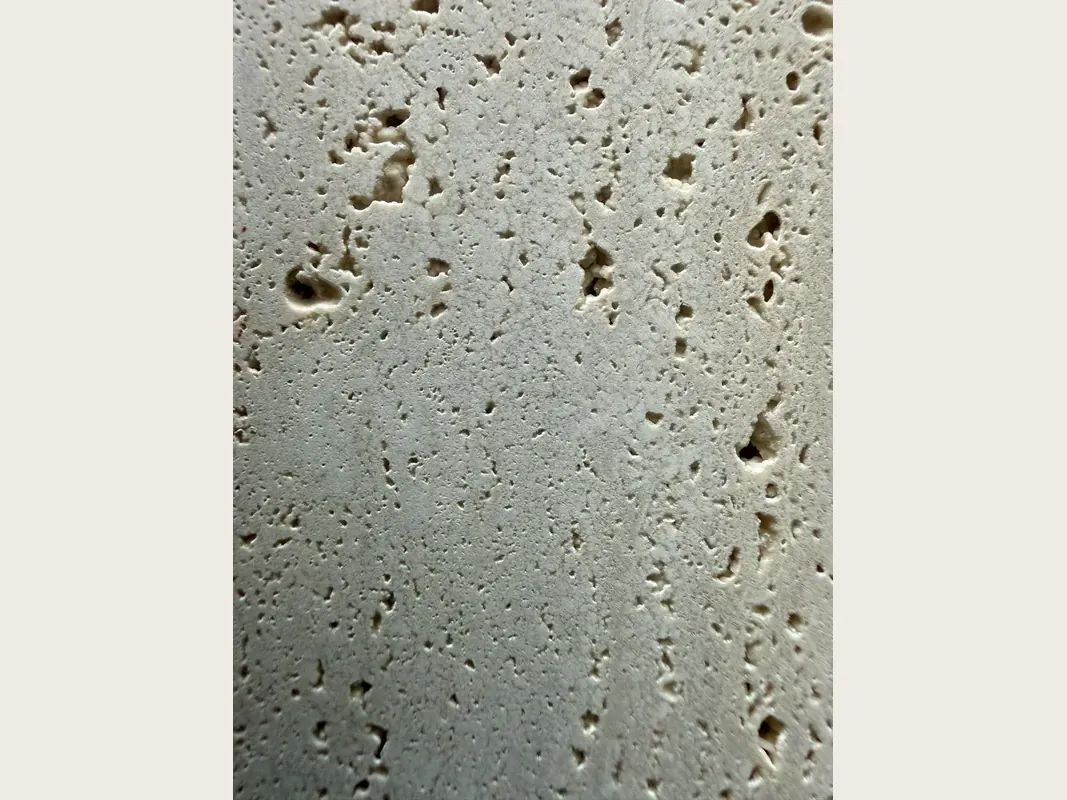
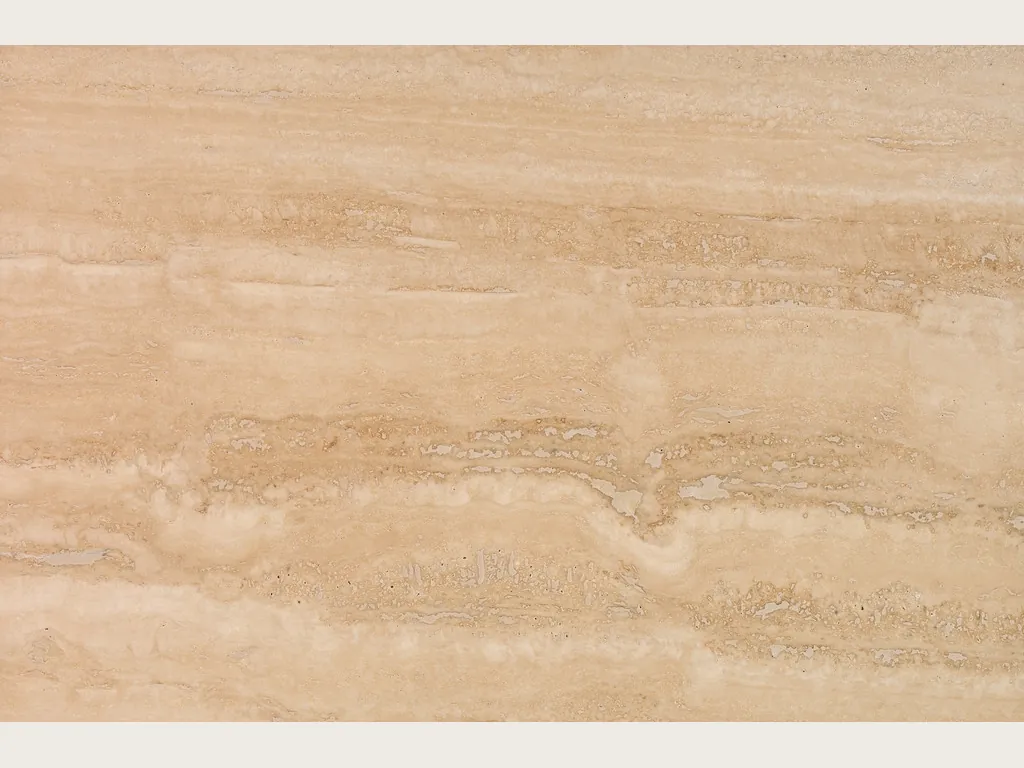
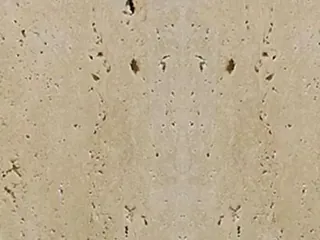
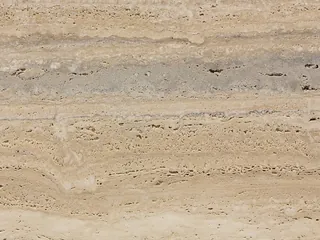
No veins: the slab photo of Roman travertine carries open holes in vertical rows over a light grayish beige background. It's a floor and facade stone; antiqued or brushed, with open pores, it reaches the pool coping.
Also known as Travertino Romano Classico.
- TypeTravertine
- ColorBeige travertine with gray
- OriginItaly
- ShippingOn request, to any country · how it reaches yours
The holes in Roman travertine
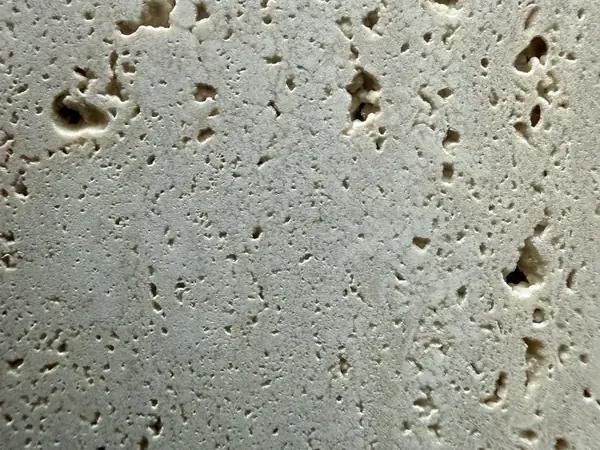
Open holes of different sizes line up in vertical rows across the slab in the photo, with no vein crossing them and medium contrast against the grayish beige background. The speckling of light grays changes moderately within the slab.
- Base colorLight grayish beige
- PatternSpeckled
- ContrastMedium
- Variation in the slabModerate
Where to use Roman travertine
- WallsWhole walls: where this stone performs best
- Interior floorsIndoor floors with sealer; in wet areas, honed
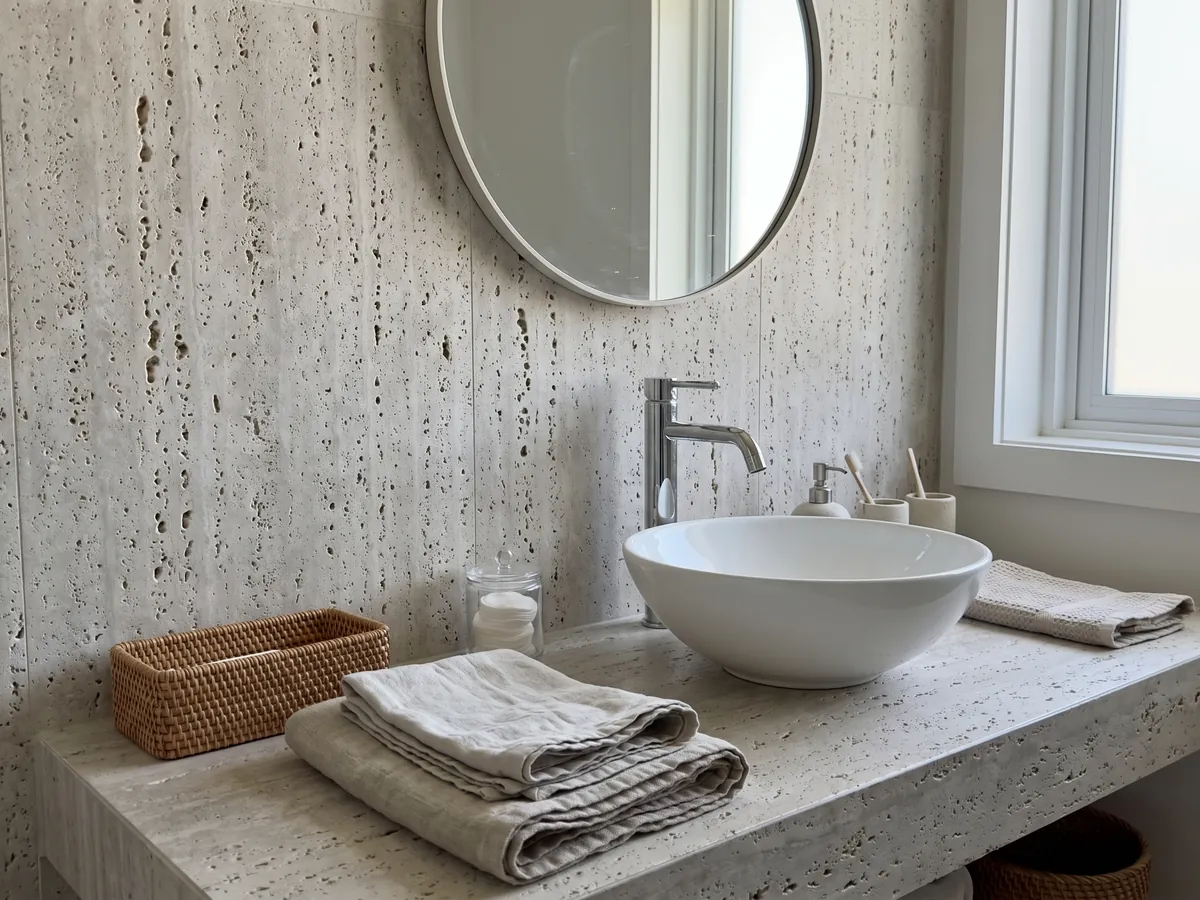
- BathroomsShowers and vanities; filled pores leave a smooth surface
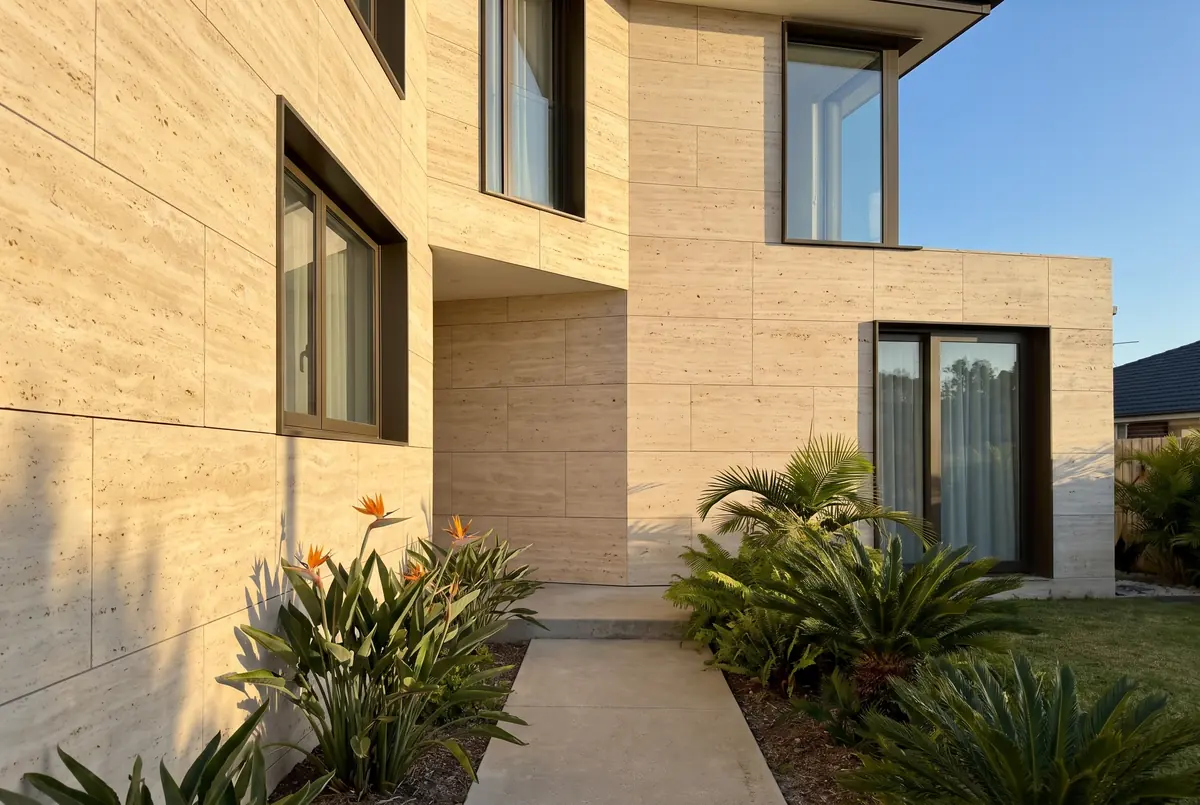
- OutdoorsFacades and pool coping; order it antiqued or brushed
- TablesOn dining and coffee tables, with care around acids
- KitchenA polished countertop only if you accept lemon or wine marks
- ScratchesLow
- StainsModerate, with filling and sealer
- AcidsLow
With so many open holes in the photo, Roman travertine asks you to decide the filling when you order: filled for a smooth floor, open for the pool coping.
Roman travertine finishes
The finish decides how much the surface shines; the filling decides whether the holes show.
-
Polished
With filled pores it leaves the surface smooth and shiny; every acid mark stays visible.
-
Honed
Matte. With filled pores it stays smooth, and in damp areas it slips less than polished.
-
Brushed
Low shine; with open pores it's ready for facades and pool coping.
-
Antiqued
Textured with open pores, it's the rustic side: on facades and pool coping the stone stays cool in the sun.
Technical specifications
| Type | Travertine |
|---|---|
| Color | Beige |
| Origin | Italy |
| Hardness | 3 to 4 on the Mohs scale |
| Pattern | Speckled |
| Common finishes | Polished, honed, brushed, antiqued |
| Works best in | Walls, interior floors, bathrooms |
| Thickness and format | Depending on the slabs available; we confirm it in the quote |
How much does Roman travertine cost?
There is no single price per m². These factors move it, and the quote already includes shipping to your country.
- Variety
- Thickness
- Finish
- Square meters and cuts
- Shipping
For a quote, send us
- The measurements or a photo of the plans
- The thickness, if you have already decided on it
- The finish you like
- The city where you receive it
Roman travertine at home
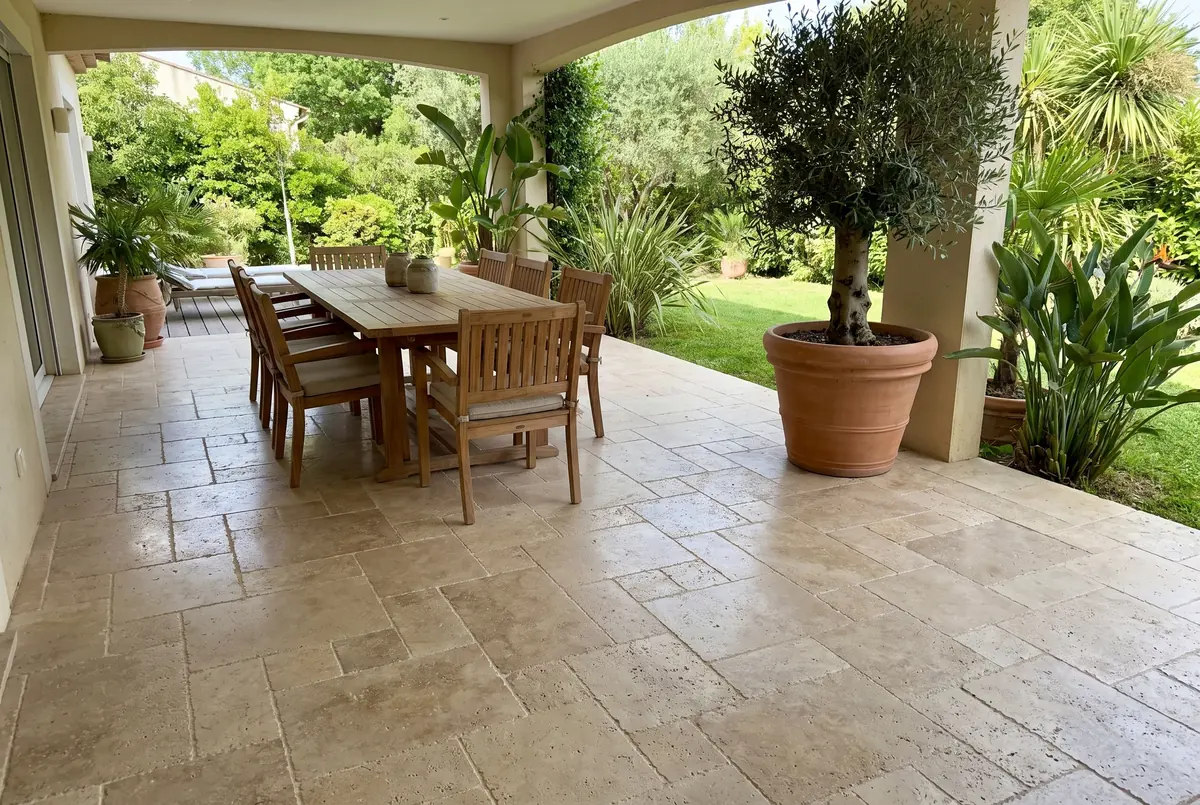
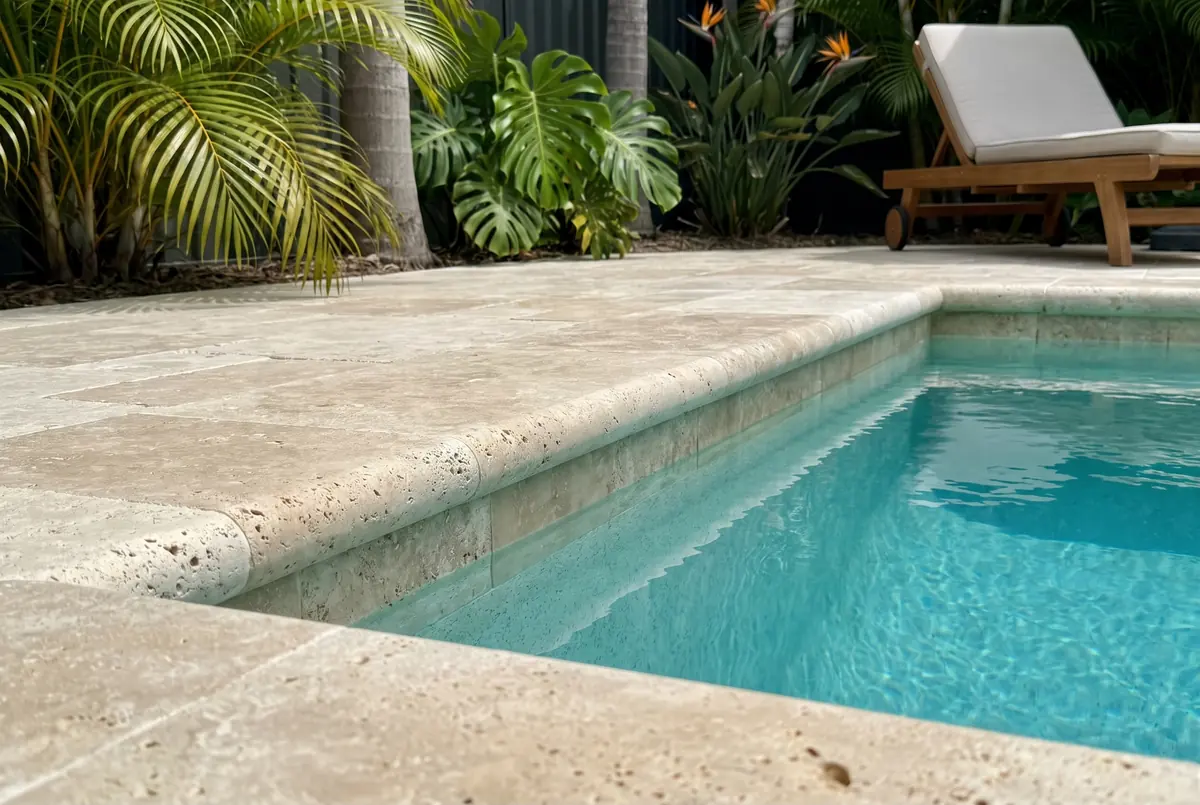
How it looks in different spaces. Visualizations created from the real slab.
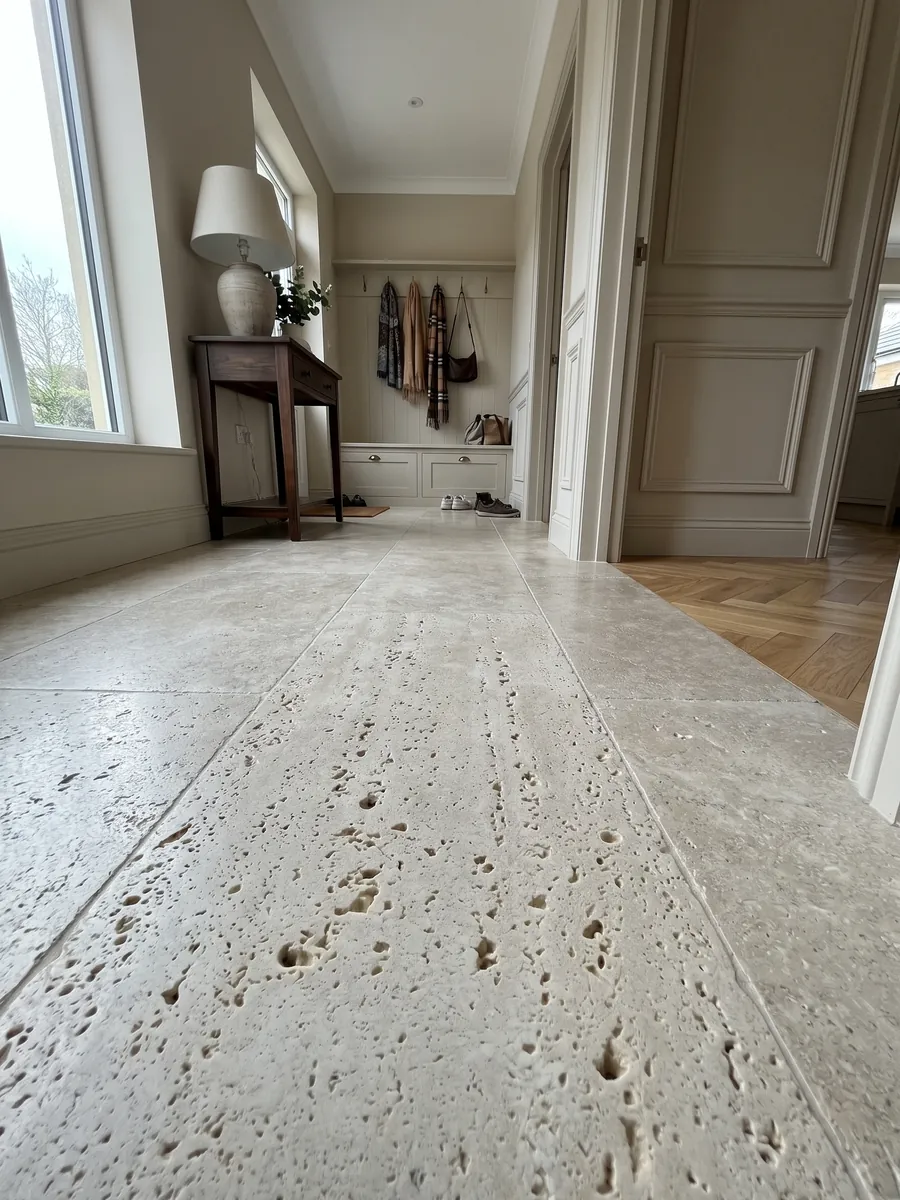
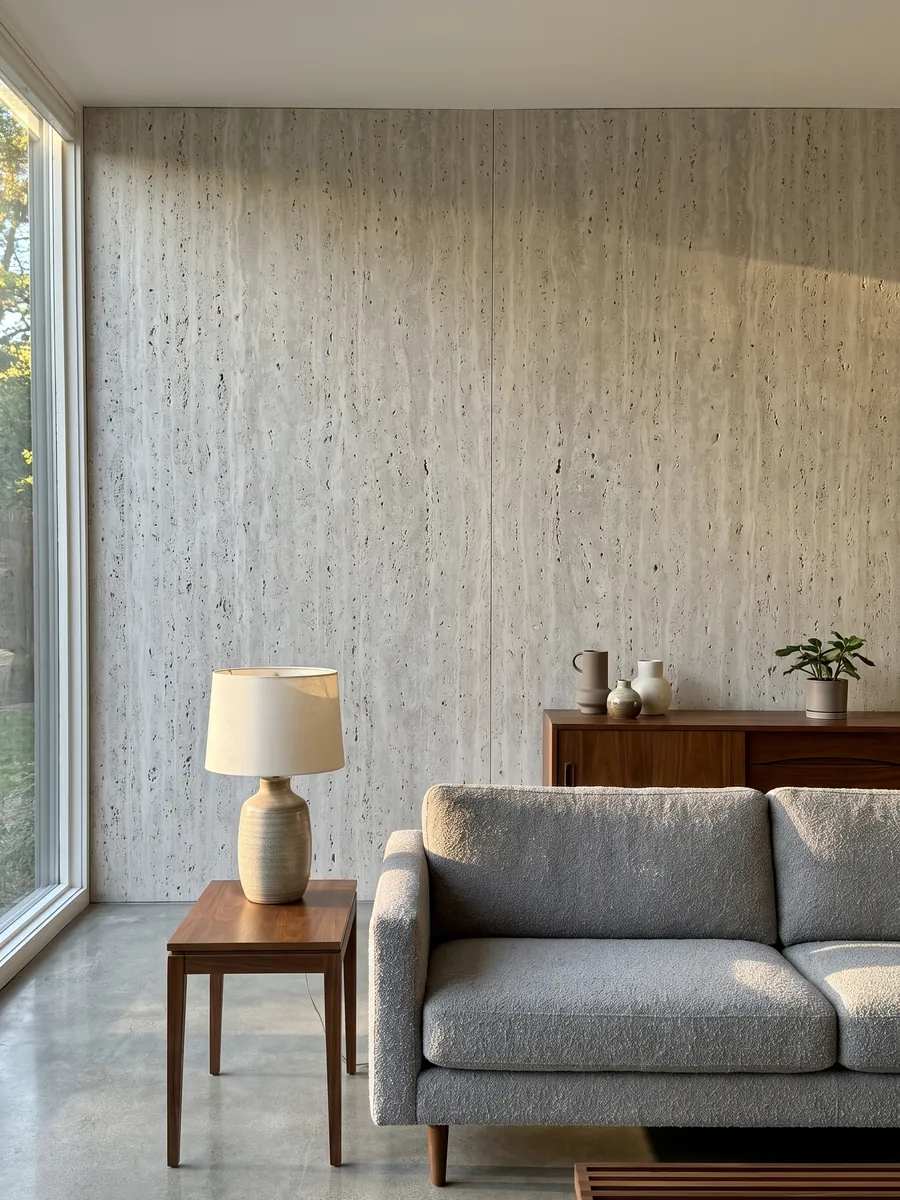
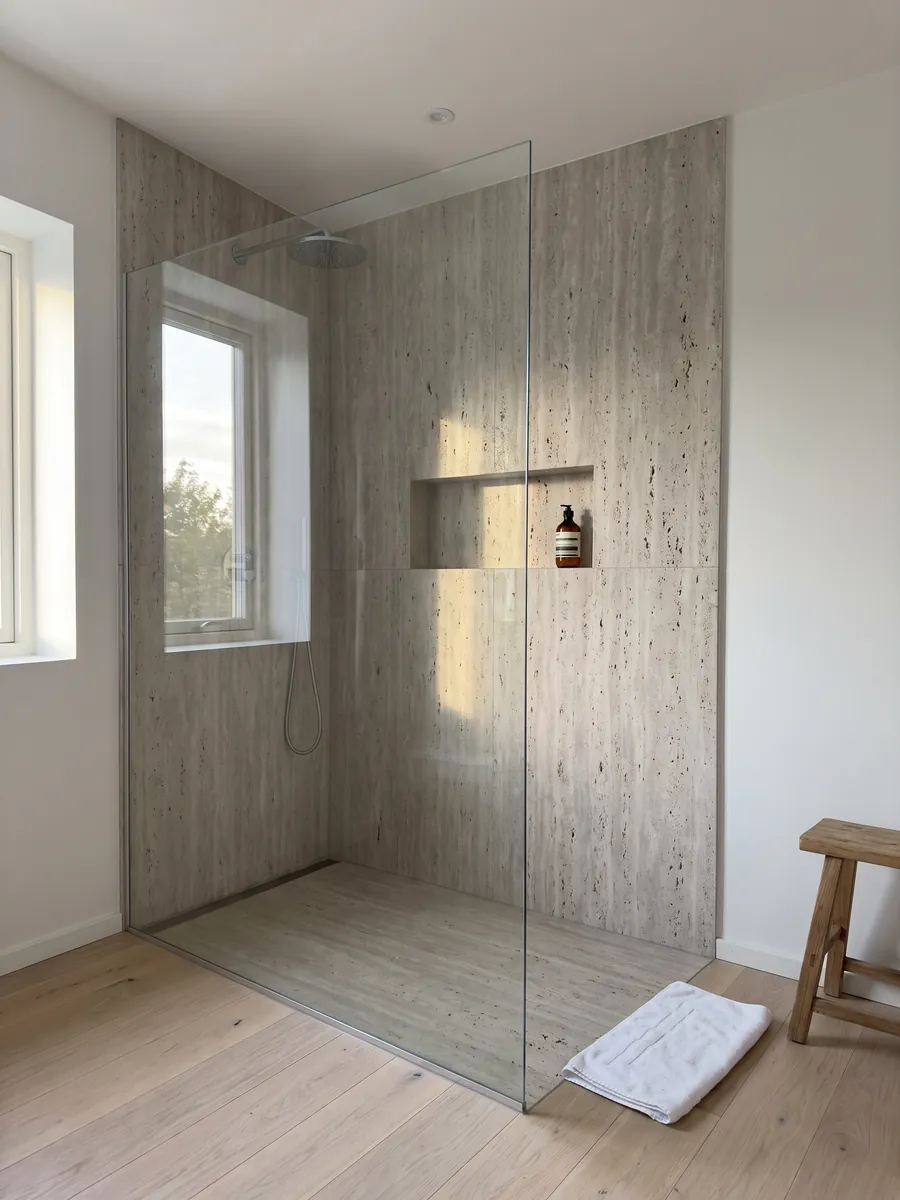


Questions about Roman travertine
What is Roman travertine Classico?
The same Roman travertine: Roman travertine Classico is another way of writing the name. Order it under either name and you get the same slab.
How is it different from classic travertine?
In the base color and the holes. In their photos, both carry holes lined up vertically; classic travertine is beige and its pattern looks symmetrical, like a mirror. Roman travertine, in its photo, shows a light grayish beige background with holes of several sizes.
Does Roman travertine work for a kitchen countertop?
Only if you accept wear marks: lemon, vinegar or tomato mark travertine just like marble. Filling the pores leaves the countertop smooth; in polish, a lemon mark shows. If you want a stone that stands up better to acids, the marble or granite guide compares the options.
What care does Roman travertine need?
Clean it with water and neutral soap; cleaners with acid mark it just like lemon. Sealer helps against stains; in wet areas, check the pore filling.
Is the photo a real slab?
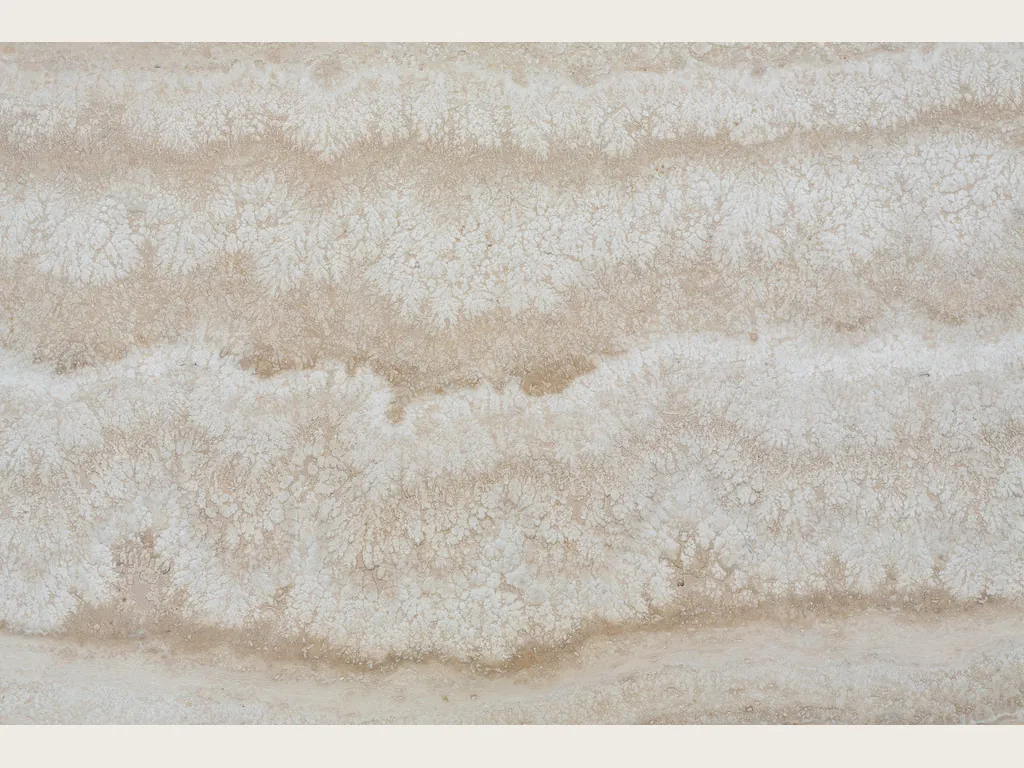
It's the real slab of this travertine. The one you receive may carry a different pattern. Before you buy, we send photos of the slabs available for your order.