
light Roman travertine
Travertine · Italy
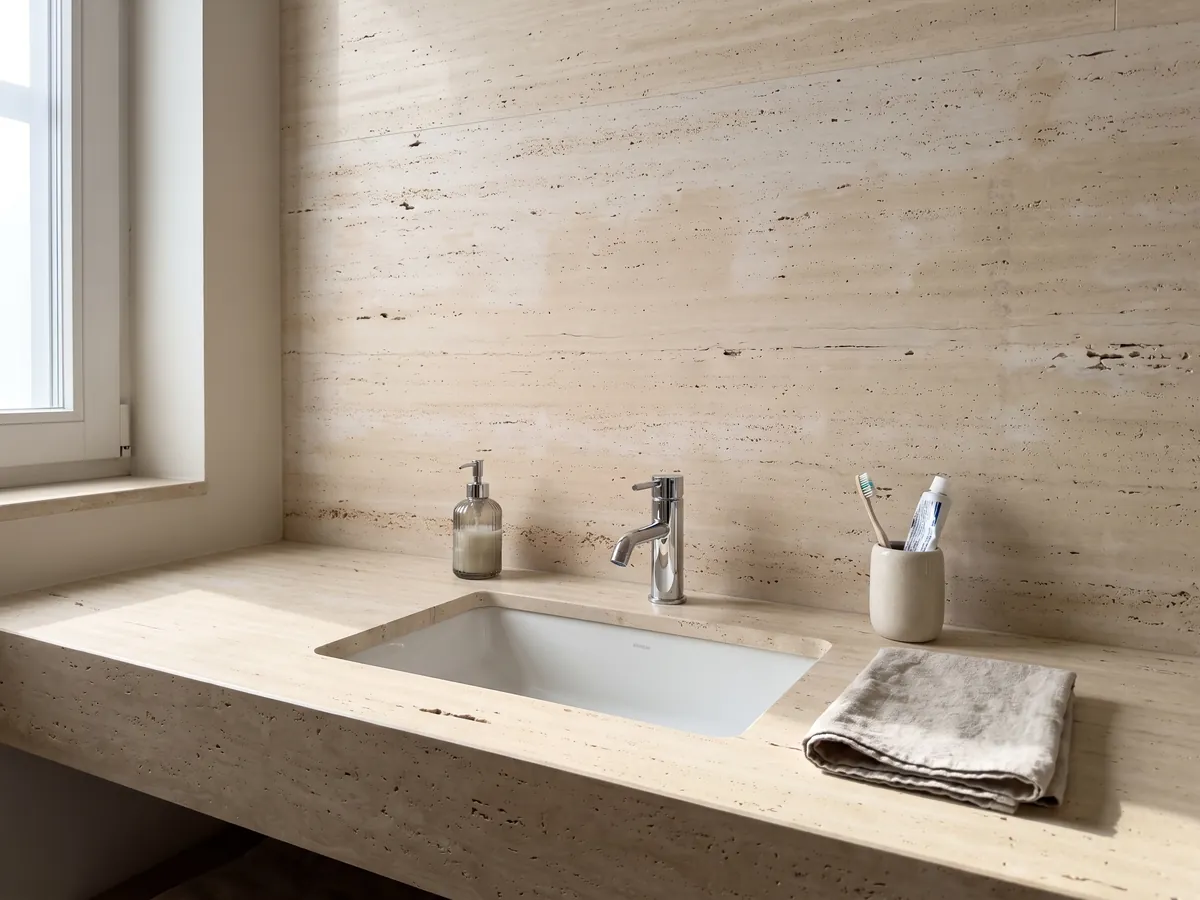
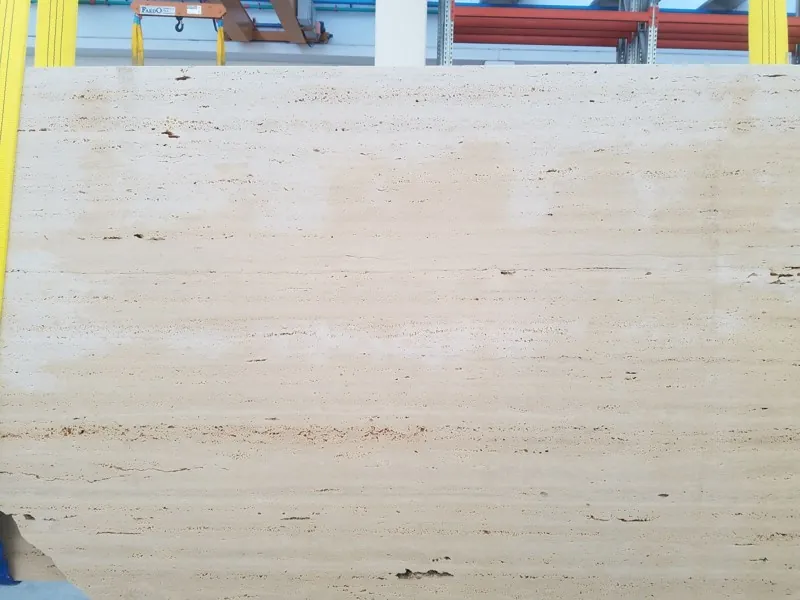
Fine horizontal lines and small dark pores in line run through the light cream of the light Roman travertine photo. Walls are its safest use; indoor floors, bathrooms and outdoor spaces suit it too.
Also known as Travertino Romano Light.
- TypeTravertine
- ColorBeige travertine with gold
- OriginItaly
- ShippingOn request, to any country · how it reaches yours
What light Roman travertine looks like
A cream background, with light beige and brown tones, carries fine horizontal lines and aligned dark pores, not dense. In the photo those pores show on the surface of the slab. Contrast is low and the banding does not change from one end to the other. Since no slab repeats another, you choose yours by looking at photos of the ones available.
- BackgroundCream
- PatternBanded
- ContrastLow
- Variation within the slabUniform
Where to use light Roman travertine
- WallsWhole walls of a living room or bathroom
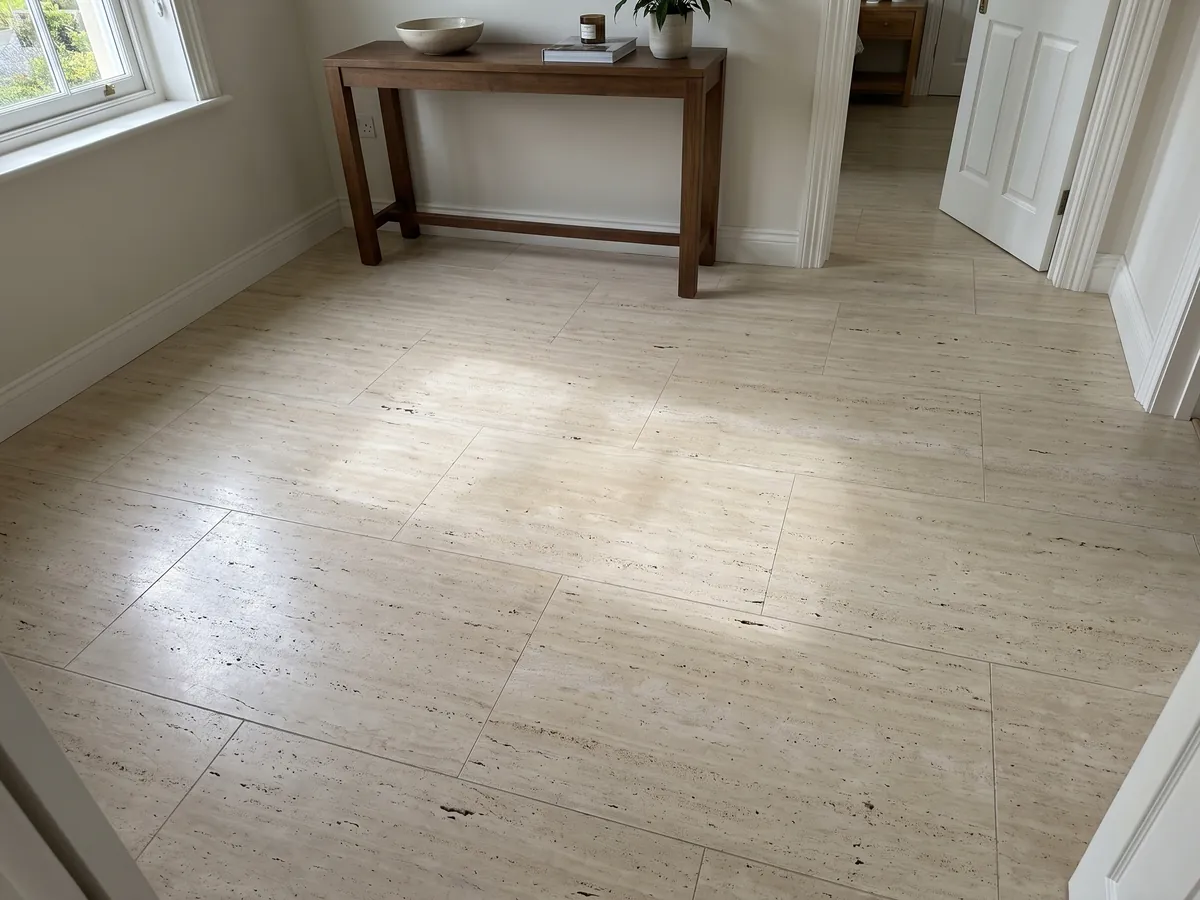
- Interior floorsIndoor floors, sealed and with filled pores
- BathroomsShowers and vanities, with filled pores
- OutdoorsPool coping and facades ask for antiqued or brushed
- TablesTables with sealer; wine and tomato mark it
- KitchenWith reservations: a polished kitchen countertop takes marks
- ScratchesLow
- StainsModerate, with filling and sealer
- AcidsLow
The pores visible in the photo can be ordered filled or open: filled for indoor floors and bathrooms, open for facades and pools.
Light Roman travertine finishes
On travertine the finish decides the shine and the texture; the filling decides how much pore stays visible.
-
Polished
If ordered with filled pores, polish leaves the surface smooth and shiny.
-
Honed
Matte with no reflection; on a wet bathroom floor or in the shower it slips less than polished.
-
Brushed
Textured surface; with open pores it goes to facades and pool coping.
-
Antiqued
Open pores and a textured surface: the rustic version, which stays cool under the sun.
Technical specifications
| Type | Travertine |
|---|---|
| Color | Beige |
| Origin | Italy |
| Hardness | 3 to 4 on the Mohs scale |
| Pattern | Banded |
| Common finishes | Polished, honed, brushed, antiqued |
| Works best in | Walls, interior floors, bathrooms |
| Thickness and format | Depending on the slabs available; we confirm it in the quote |
How much does light Roman travertine cost?
There is no single price per m². These factors move it, and the quote already includes shipping to your country.
- Variety
- Thickness
- Finish
- Square meters and cuts
- Shipping
For a quote, send us
- The measurements or a photo of the plans
- The thickness, if you have already decided on it
- The finish you like
- The city where you receive it
Light Roman travertine at home
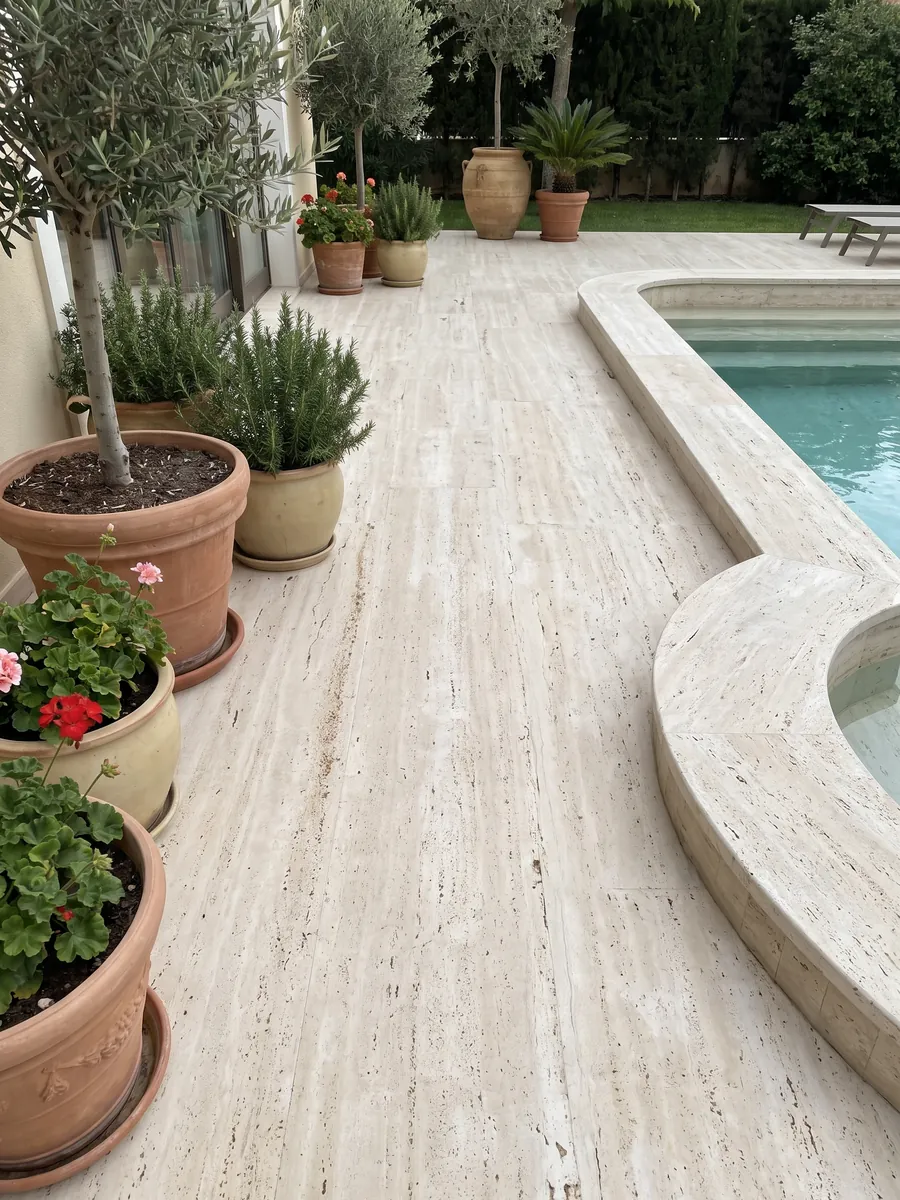
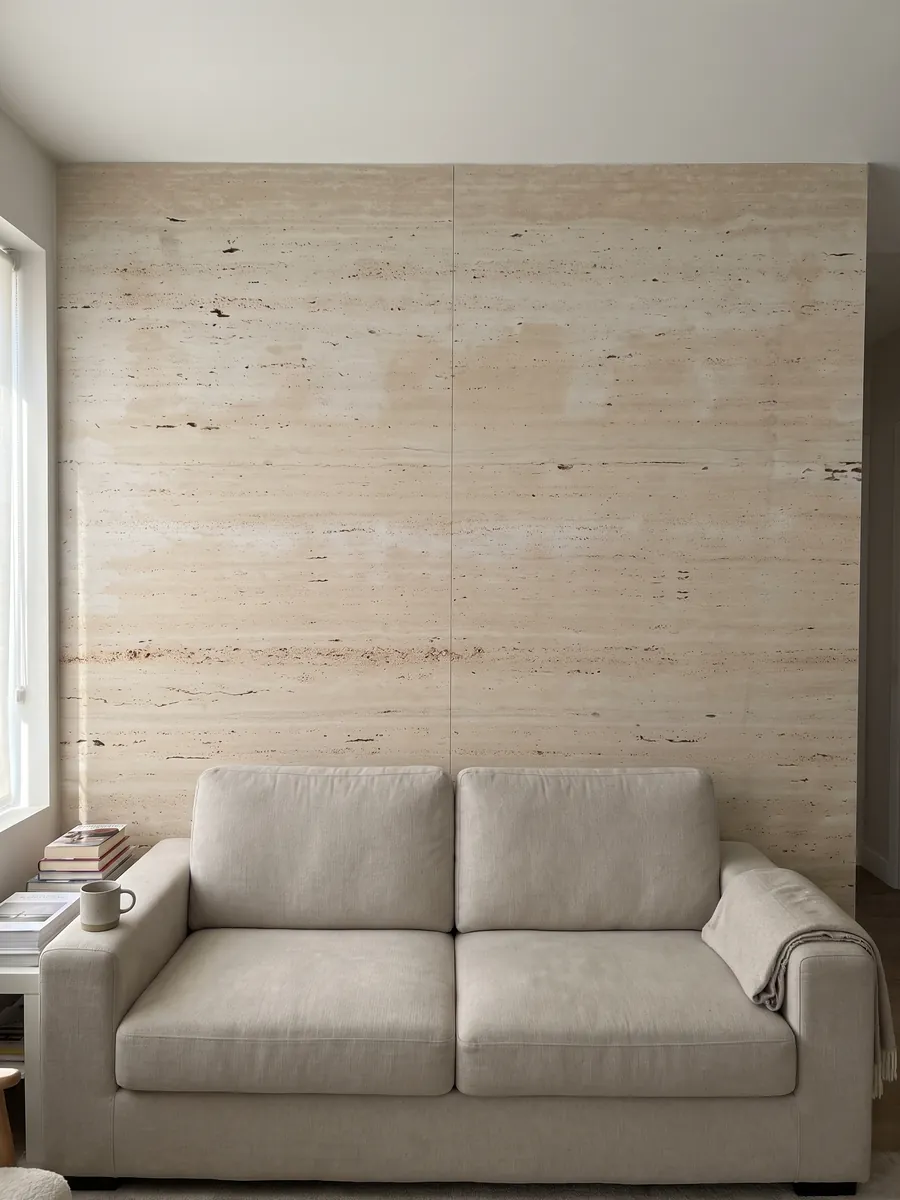
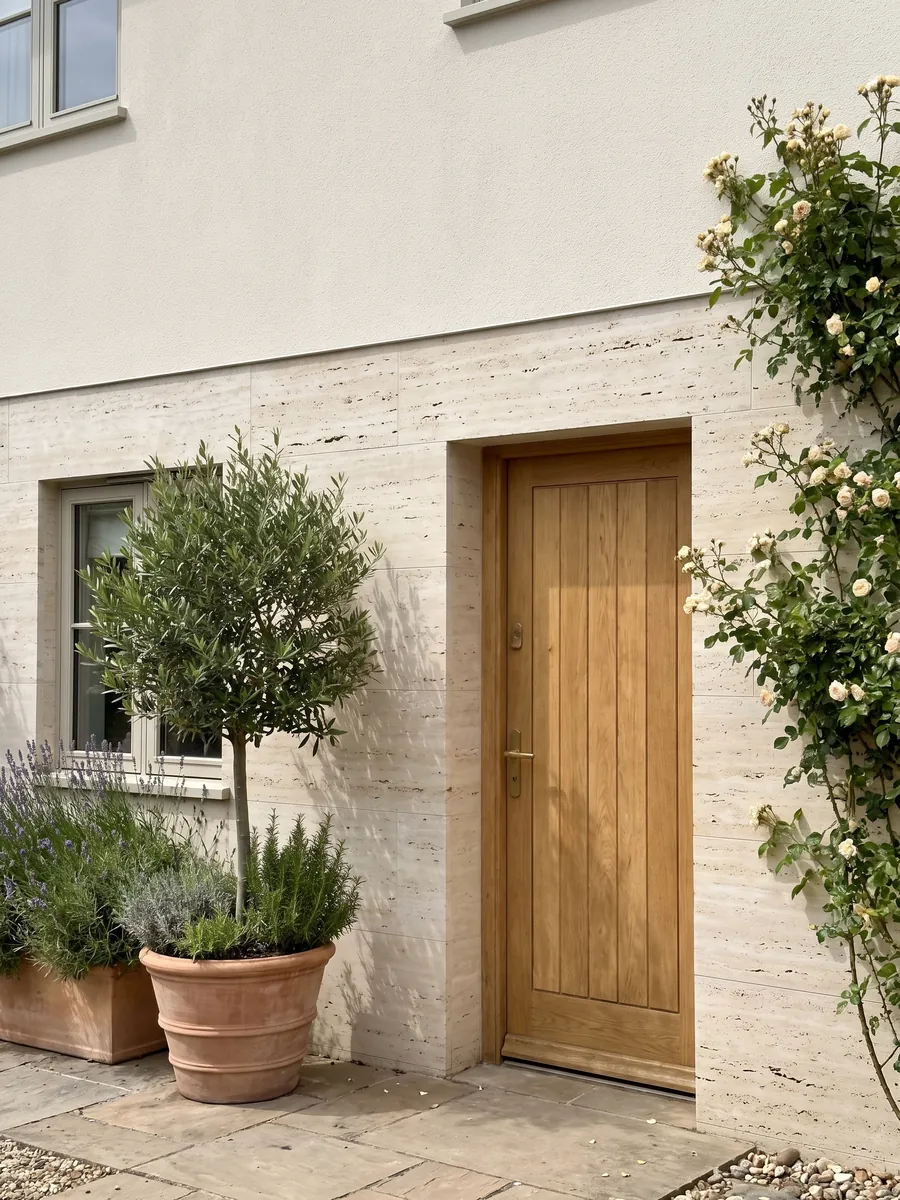
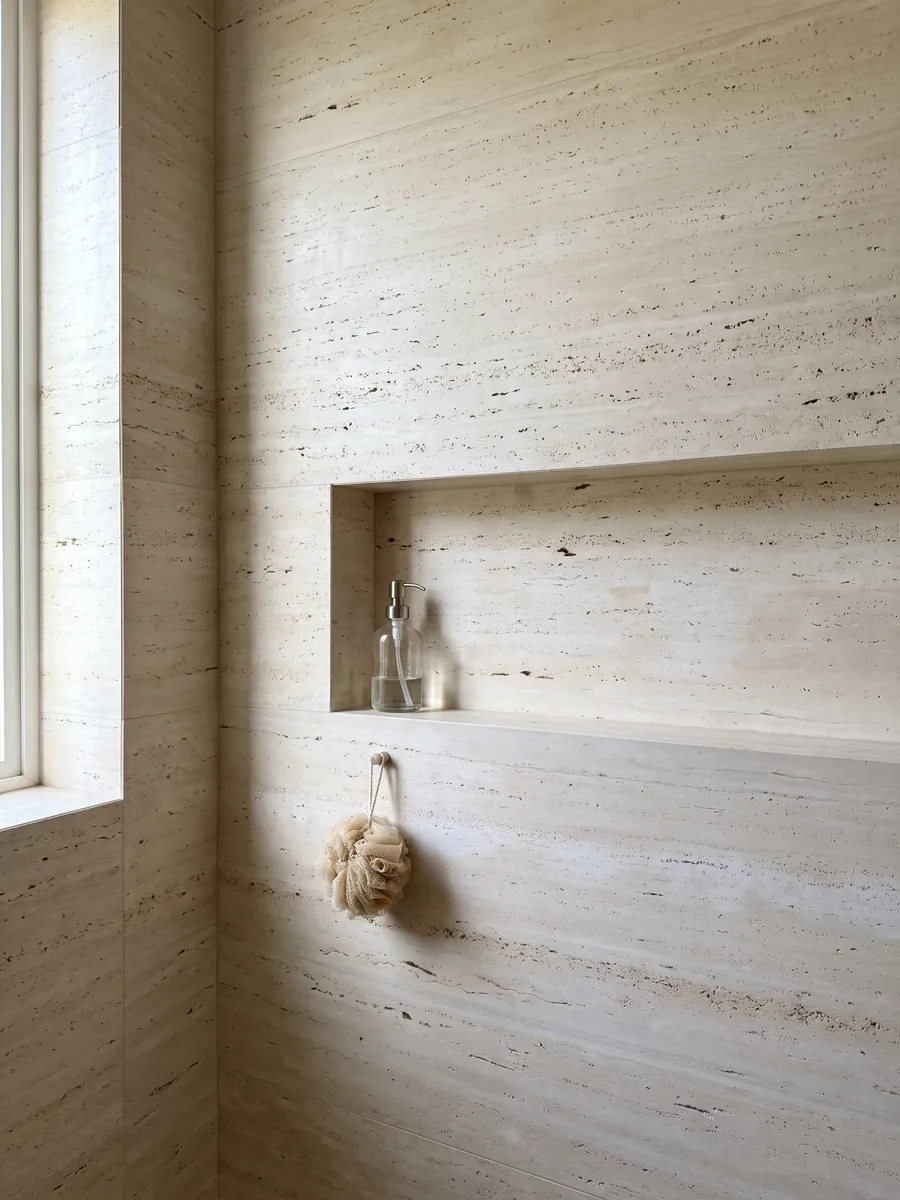
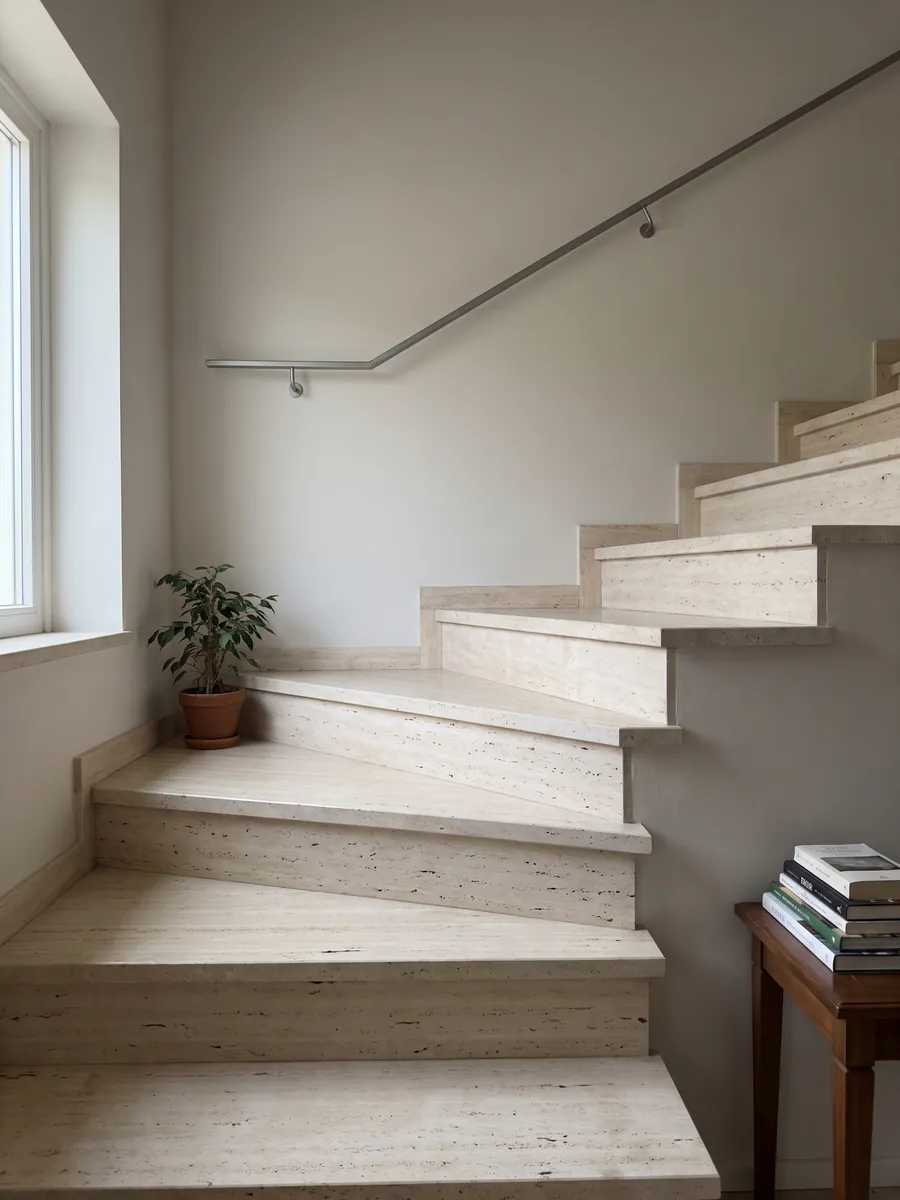
How it looks in different spaces. Visualizations created from the real slab.
Similar stones

Questions about light Roman travertine
Are Romano Light and light Roman travertine the same stone?
Yes. Romano Light and Romano Claro name the same stone: Light is another way of writing Claro. Before you buy, we send photos of the slabs available for your order.
What's the difference between light Roman travertine and Roman travertine?
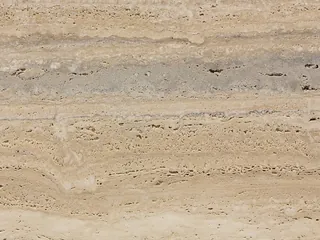
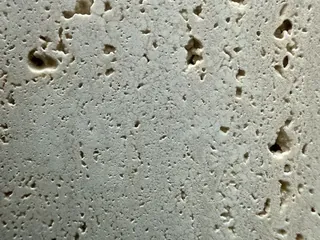
Tone and pore size set them apart. In its photo, Roman travertine appears pale grayish beige, full of open holes of different sizes. In yours, light Roman travertine is cream, with fine lines and small aligned pores.
Is light Roman travertine a marble?
No. It's a travertine: a limestone born in hot springs, with pores that come from gas bubbles trapped inside. A marble has no such pores and is more compact.
What happens to light Roman travertine in a kitchen?
Any acid marks it, from lemon to tomato, just like marble. If those marks bother you, the countertop calls for another stone.
Is the photo of light Roman travertine a real slab?
It's a real Romano Claro slab, photographed as it is, with a close-up of its lines and pores. Every slab is different and you see yours in photos before you order.