
Sandstone: colors and uses
Sand grains bonded over millions of years: a matte stone with a soft texture and earthy colors. It works on facades, walls and outdoor floors.
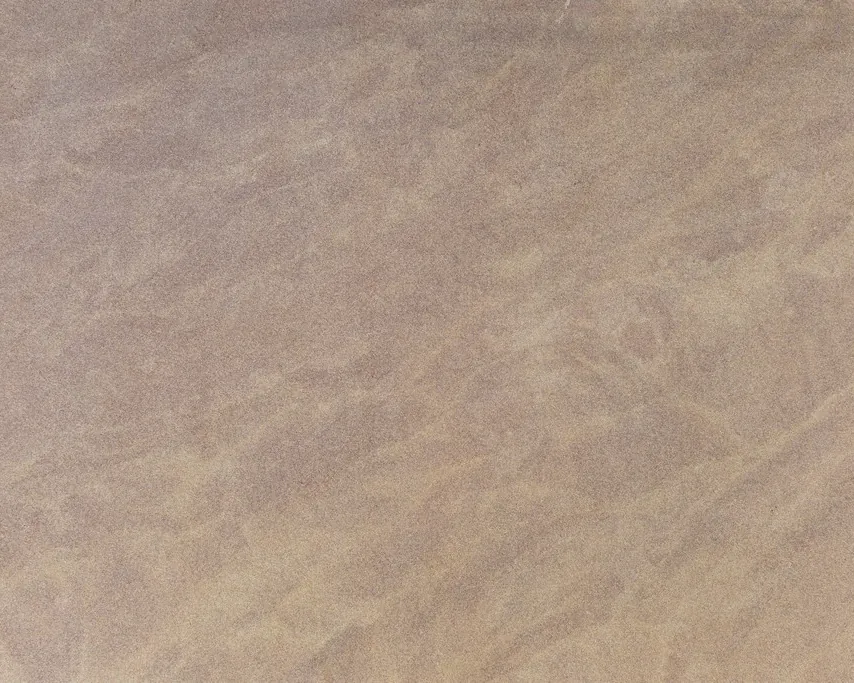
- 5sandstones with a photo
- 5from Italy
- 2colors
5 sandstones
Beige sandstone
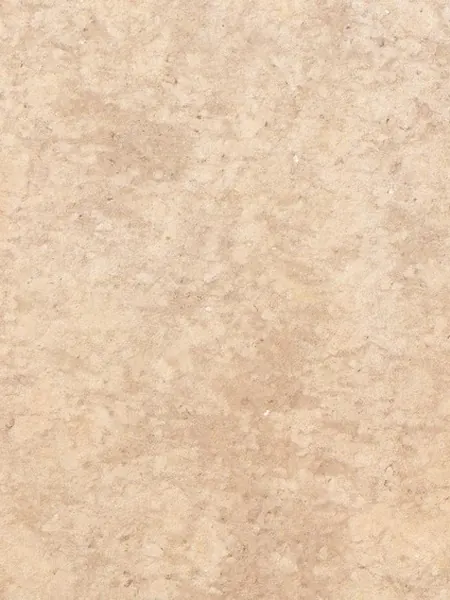
Sandy beige and warm cream, with waves like dunes, golden clouds or a net pattern.
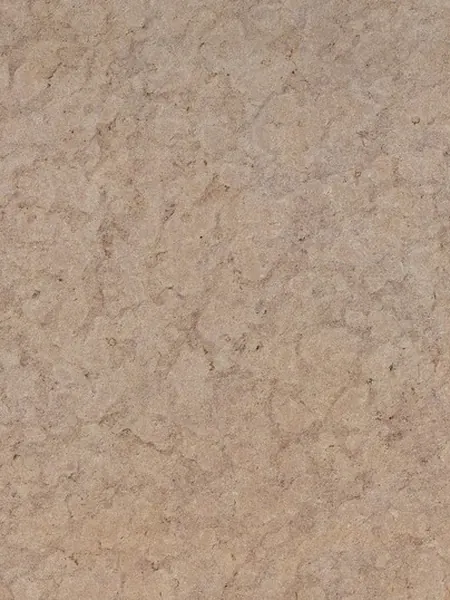
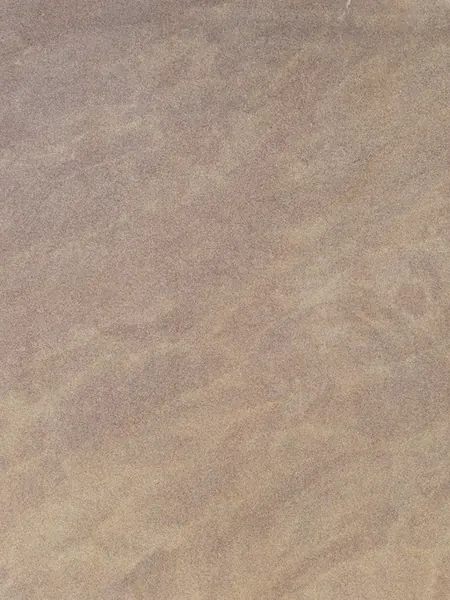
Pink and mauve sandstone
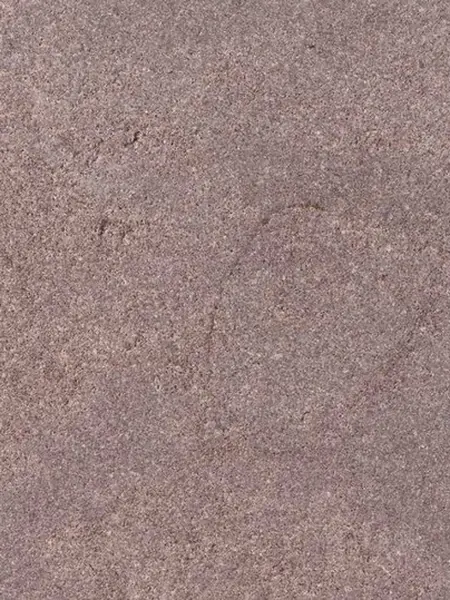
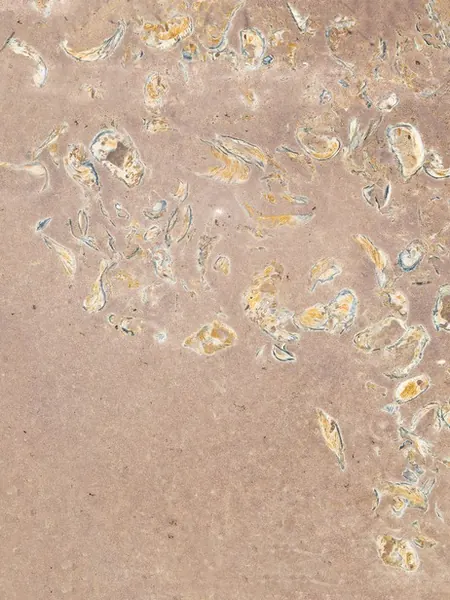
Fine-grained mauve and pink tones; one shows fossil shells on the surface.
There are no sandstones with those filters in the catalog. We can still source one for you.
Where does sandstone work?
- OutdoorsFacades, walls and garden floors
- WallsTextured cladding, indoors or out
- Interior floorsWith a sealer and a matte finish
- BathroomsDry walls; it absorbs water
- TablesBetter outdoors, sealed
- KitchenNot on countertops: it absorbs grease and wine
How it holds up
- ScratchesMedium
- StainsLow: it is porous
- AcidsVariable
How to care for it
- Sealed indoors
- Water and a soft brush outdoors
- No high-pressure washer
For a kitchen countertop in this warm tone, look at a travertine or a beige quartzite.
Sandstone finishes
Sandstone does not take a mirror polish: its beauty is in the texture and the color.
-
Honed
Matte
Smooth, with no gloss, for indoor walls and floors.
WallsFloors -
Brushed
Matte with texture
Brings out the grain and is not slippery.
FloorsOutdoors -
Sandblasted
Rough
A rough, even surface for outdoors.
Outdoors -
Bush-hammered
Matte and rustic
Bush-hammered, for facades and walls with relief.
WallsOutdoors
Where the sandstones come from
Most of the sandstones in the catalog come from Italy. For all of them, slab quality matters more than the country.
Where the 5 come from
- 5 Italy
Questions about sandstone
Does sandstone need a sealer?
Indoors, yes. It is a porous stone that absorbs water, grease and wine; a sealer reduces how much gets in. On facades and outdoor walls it is usually left unsealed and over the years it takes on a patina that is part of its character.
Does sandstone work for outdoor floors?
Yes. Its matte, slightly rough surface is not slippery. It is a classic stone for patios, paths and walls. Clean it with water and a soft brush.
What is the difference between sandstone and travertine?
Both are matte, warm-toned stones that work outdoors. Travertine is a denser limestone with open pores; sandstone is a mass of sand grains, more porous and softer to the touch.